Inverted-duty-structure refunds remain available for unchanged-rate apparel supplies despite trader status and require tax-period-specific computation...
Foundational assessment satisfaction is essential before initiating penalty for cash receipt of immovable-property sale consideration under section 27...
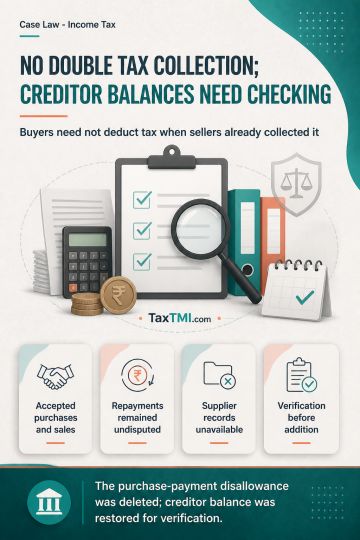
Tax collection at source on purchases removes duplicate withholding obligation, while trade-creditor evidence requires verification before unexplained...
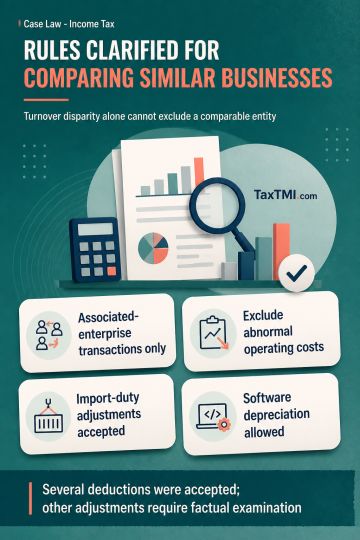
Transfer-pricing comparability requires material turnover effects; adjustments must cover only associated-enterprise transactions and exclude abnormal...
Page of 4891
Press 'Enter' after typing page number.
1001 to 1020 of 97820 Results
❮
❯
❯❯
0 / 200
Expand Note
Add to Folder
No Folders have been created
+
Are you sure you want to delete "My most important" ?
SC dismissed the appeal, upholding HC's refusal to entertain the writ petition under Art. 226 challenging the CEGAT order. SC held that where the statute provides an equally efficacious alternative remedy before the same HC (here, a reference under s.130A of the Customs Act, 1962), the rule is to refuse writ jurisdiction and treat its exercise as an exception. The appellant's challenge was filed well beyond the limitation period for a reference; any justification for delay should have been urged in an application for condonation under the Limitation Act, 1963, which applies via s.29(2). The belated writ, lacking basic pleadings, amounted to bypassing the statutory mechanism. HC's dismissal, both on maintainability and merits, was affirmed; appeal dismissed.
SC dismissed the appeal, upholding HC's refusal to entertain the writ petition under Art. 226 challenging the CEGAT order. SC held that where the statute provides an equally efficacious alternative remedy before the same HC (here, a reference under s.130A of the Customs Act, 1962), the rule is to refuse writ jurisdiction and treat its exercise as an exception. The appellant's challenge was filed well beyond the limitation period for a reference; any justification for delay should have been urged in an application for condonation under the Limitation Act, 1963, which applies via s.29(2). The belated writ, lacking basic pleadings, amounted to bypassing the statutory mechanism. HC's dismissal, both on maintainability and merits, was affirmed; appeal dismissed.
Note: It is a system-generated summary and is for quick reference only.
 TaxTMI
  TaxTMI
 of 4891