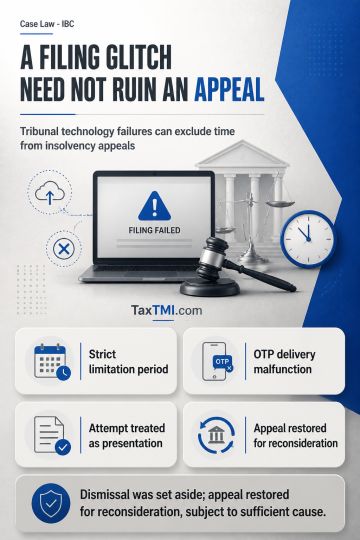
E-filing system failure permits exclusion of affected time in insolvency appeals, preventing tribunal technology defects from defeating timely filings...
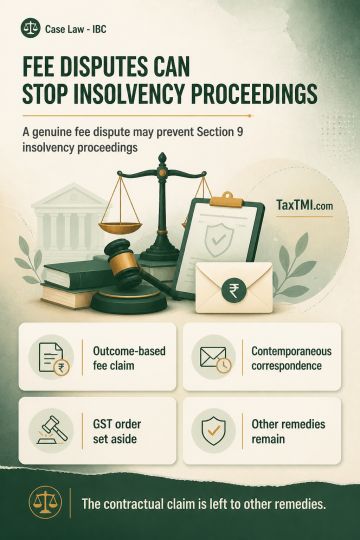
Pre-existing disputes over outcome-based professional fees can bar Section 9 insolvency proceedings where contractual entitlement requires investigati...
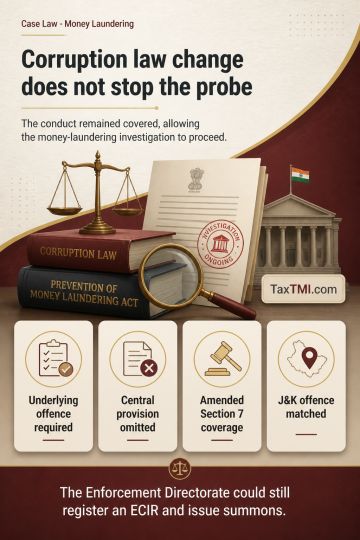
Corresponding scheduled offences preserve money-laundering jurisdiction despite repeal of the central corruption provision where conduct remains cover...
The HC held the writ petitions maintainable despite alternative remedies, as the impugned orders were passed in disregard of a binding CESTAT decision, resulting in lack of jurisdiction. The dispute concerned classification of imported wheat flour and wheat gluten under DFIA licences and eligibility for exemption. The HC noted that CESTAT had already held wheat flour and wheat gluten fall under the same classification, and the respondent was bound by that finding. Section 131BA(3) was interpreted as confined to parties to those proceedings, not erga omnes. Consequently, the respondent could not ignore CESTAT and take a contrary view. The impugned orders, having solely proceeded on an incorrect classification, were quashed. The HC clarified that the Department may challenge CESTAT's view in appropriate appellate proceedings, but until then, assessing authorities remain bound by it. All petitions were allowed.
The HC held the writ petitions maintainable despite alternative remedies, as the impugned orders were passed in disregard of a binding CESTAT decision, resulting in lack of jurisdiction. The dispute concerned classification of imported wheat flour and wheat gluten under DFIA licences and eligibility for exemption. The HC noted that CESTAT had already held wheat flour and wheat gluten fall under the same classification, and the respondent was bound by that finding. Section 131BA(3) was interpreted as confined to parties to those proceedings, not erga omnes. Consequently, the respondent could not ignore CESTAT and take a contrary view. The impugned orders, having solely proceeded on an incorrect classification, were quashed. The HC clarified that the Department may challenge CESTAT's view in appropriate appellate proceedings, but until then, assessing authorities remain bound by it. All petitions were allowed.
Note: It is a system-generated summary and is for quick reference only.
 TaxTMI
  TaxTMI
 of 4891