Customs exemptions cover photovoltaic assembly machinery and PVF backsheets, while fully declared cleared imports may avoid confiscation and penalties...
Specific tariff classification for LCD devices overrides treatment as electricity-meter parts, defeating differential duty, extended limitation, and p...
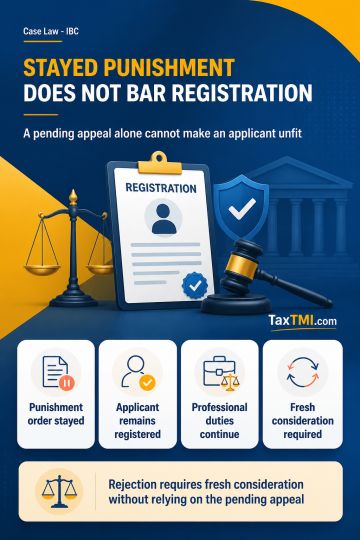
Stayed disciplinary punishment does not establish unfitness for insolvency professional registration; reconsideration must disregard mere pendency of ...
Indirect corporate control can create related-party status, excluding financial creditors from Committee of Creditors representation, participation an...
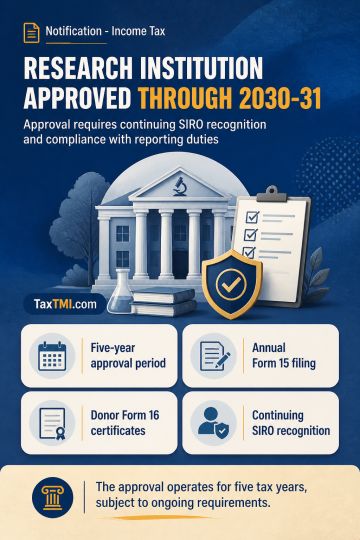
Scientific research association approval requires continuing SIRO status, annual donation reporting, and donor certificates for the approved foundatio...
Scientific research institution approval is conditional on SIRO recognition, annual donation reporting, donor certification, and prescribed compliance...
The HC held the writ petitions maintainable despite alternative remedies, as the impugned orders were passed in disregard of a binding CESTAT decision, resulting in lack of jurisdiction. The dispute concerned classification of imported wheat flour and wheat gluten under DFIA licences and eligibility for exemption. The HC noted that CESTAT had already held wheat flour and wheat gluten fall under the same classification, and the respondent was bound by that finding. Section 131BA(3) was interpreted as confined to parties to those proceedings, not erga omnes. Consequently, the respondent could not ignore CESTAT and take a contrary view. The impugned orders, having solely proceeded on an incorrect classification, were quashed. The HC clarified that the Department may challenge CESTAT's view in appropriate appellate proceedings, but until then, assessing authorities remain bound by it. All petitions were allowed.
The HC held the writ petitions maintainable despite alternative remedies, as the impugned orders were passed in disregard of a binding CESTAT decision, resulting in lack of jurisdiction. The dispute concerned classification of imported wheat flour and wheat gluten under DFIA licences and eligibility for exemption. The HC noted that CESTAT had already held wheat flour and wheat gluten fall under the same classification, and the respondent was bound by that finding. Section 131BA(3) was interpreted as confined to parties to those proceedings, not erga omnes. Consequently, the respondent could not ignore CESTAT and take a contrary view. The impugned orders, having solely proceeded on an incorrect classification, were quashed. The HC clarified that the Department may challenge CESTAT's view in appropriate appellate proceedings, but until then, assessing authorities remain bound by it. All petitions were allowed.
Note: It is a system-generated summary and is for quick reference only.
 TaxTMI
  TaxTMI
 of 4879