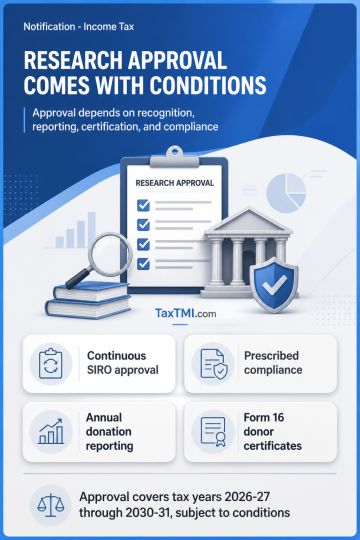
Scientific research institution approval is conditional on SIRO recognition, annual donation reporting, donor certification, and prescribed compliance...
NCLAT examined allegations of collusion between CoC, RP and an entrant in condoning delay in submission of EoI and alleged concealment from other PRAs, claimed as material irregularity under the CIRP Regulations. NCLAT held that not every procedural breach under the Regulations constitutes "material irregularity"; the test is whether the deviation results in an outcome that is plainly illegal or so unfair as to undermine the integrity of the CIRP. Treating the Regulations as facilitative, the Tribunal found that the alleged violations, even if assumed, did not attain the threshold of material irregularity warranting invalidation of the resolution process. Accordingly, NCLAT set aside the order of the Adjudicating Authority and allowed the appeal, upholding the challenged resolution approval.
NCLAT examined allegations of collusion between CoC, RP and an entrant in condoning delay in submission of EoI and alleged concealment from other PRAs, claimed as material irregularity under the CIRP Regulations. NCLAT held that not every procedural breach under the Regulations constitutes "material irregularity"; the test is whether the deviation results in an outcome that is plainly illegal or so unfair as to undermine the integrity of the CIRP. Treating the Regulations as facilitative, the Tribunal found that the alleged violations, even if assumed, did not attain the threshold of material irregularity warranting invalidation of the resolution process. Accordingly, NCLAT set aside the order of the Adjudicating Authority and allowed the appeal, upholding the challenged resolution approval.
Note: It is a system-generated summary and is for quick reference only.
 TaxTMI
  TaxTMI
 of 4886