Customs exemptions cover photovoltaic assembly machinery and PVF backsheets, while fully declared cleared imports may avoid confiscation and penalties...
Specific tariff classification for LCD devices overrides treatment as electricity-meter parts, defeating differential duty, extended limitation, and p...
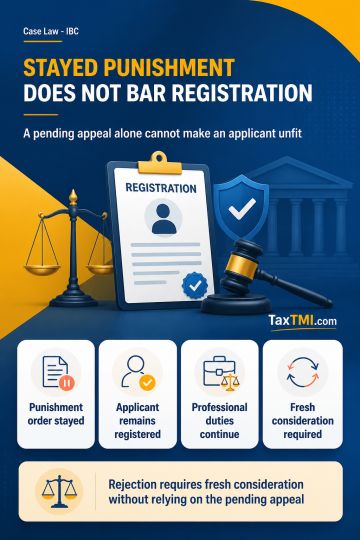
Stayed disciplinary punishment does not establish unfitness for insolvency professional registration; reconsideration must disregard mere pendency of ...
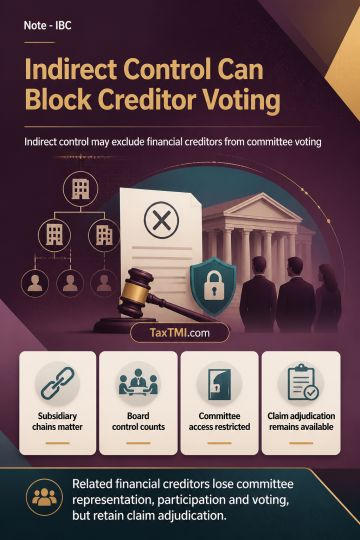
Indirect corporate control can create related-party status, excluding financial creditors from Committee of Creditors representation, participation an...
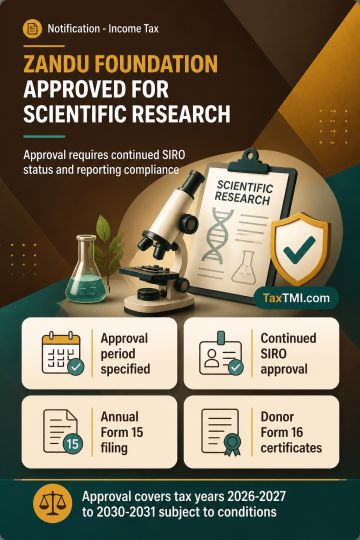
Scientific research association approval requires continuing SIRO status, annual donation reporting, and donor certificates for the approved foundatio...
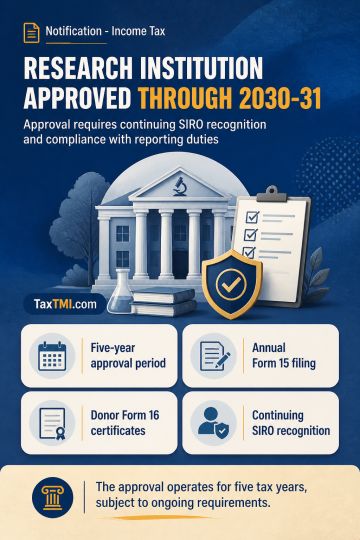
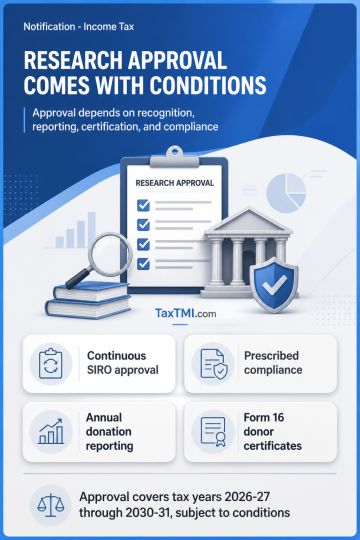
Scientific research institution approval is conditional on SIRO recognition, annual donation reporting, donor certification, and prescribed compliance...
SC upheld the dismissal of the appellants' S.37 appeal, affirming the S.34 order and the arbitral award granting interest, including post-award interest, at 24% p.a. SC reiterated that under S.31(7)(a) the arbitral tribunal may award pre-award interest subject to contractual terms, while under S.31(7)(b) post-award interest is mandatory, with only the rate being discretionary; absent a specified rate, the statutory rate applies. The contractual rate of 24% p.a. was held not to offend public policy under S.34(2)(b), as exorbitance of interest alone does not constitute violation of the fundamental policy of Indian law unless it is shockingly perverse. The challenge based on the Usurious Loans Act, 1918 and related legislation was rejected. The appeal was dismissed.
SC upheld the dismissal of the appellants' S.37 appeal, affirming the S.34 order and the arbitral award granting interest, including post-award interest, at 24% p.a. SC reiterated that under S.31(7)(a) the arbitral tribunal may award pre-award interest subject to contractual terms, while under S.31(7)(b) post-award interest is mandatory, with only the rate being discretionary; absent a specified rate, the statutory rate applies. The contractual rate of 24% p.a. was held not to offend public policy under S.34(2)(b), as exorbitance of interest alone does not constitute violation of the fundamental policy of Indian law unless it is shockingly perverse. The challenge based on the Usurious Loans Act, 1918 and related legislation was rejected. The appeal was dismissed.
Note: It is a system-generated summary and is for quick reference only.
 TaxTMI
  TaxTMI
 of 4883