Transfer-pricing aggregation of distinct support-service and subcontract transactions was rejected, while debt-free receivables attracted no notional ...
Customs exemptions cover photovoltaic assembly machinery and PVF backsheets, while fully declared cleared imports may avoid confiscation and penalties...
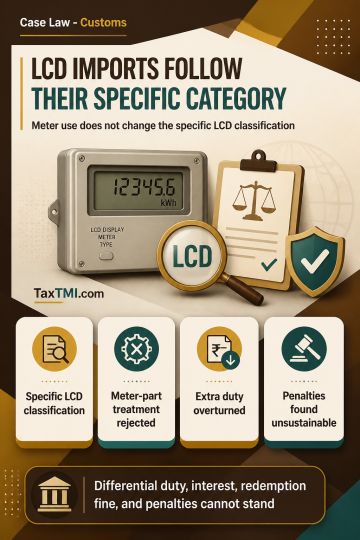
Specific tariff classification for LCD devices overrides treatment as electricity-meter parts, defeating differential duty, extended limitation, and p...
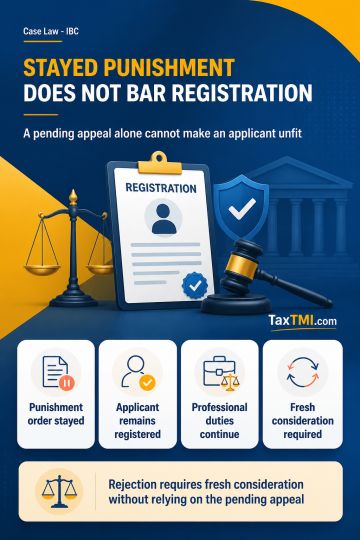
Stayed disciplinary punishment does not establish unfitness for insolvency professional registration; reconsideration must disregard mere pendency of ...
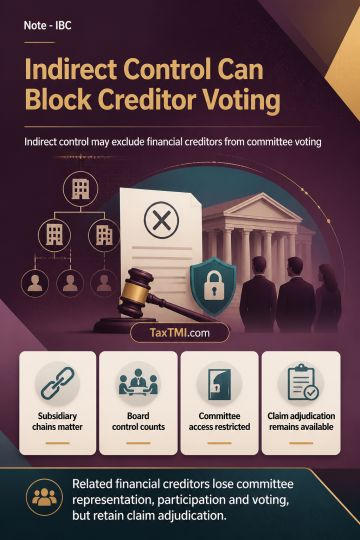
Indirect corporate control can create related-party status, excluding financial creditors from Committee of Creditors representation, participation an...
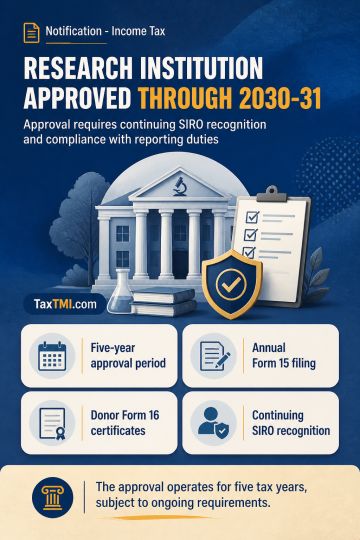
Scientific research association approval requires continuing SIRO status, annual donation reporting, and donor certificates for the approved foundatio...
ITAT holds that, applying the ICAI Guidance Note on Real Estate Accounting (Revised 2012), land and development rights qualify as direct project costs but must be excluded when determining the 25% construction-and-development-cost threshold to trigger revenue recognition under the Percentage of Completion Method (POCM); once that threshold is met using construction and development costs, total project costs (including land) determine stage of completion and revenue to be recognized. The taxpayer's POCM application was correct: Phase-1 exceeded the 25% threshold whereas Phase-2A did not (19.5205%), and unreconciled revenue was recognized in subsequent years at unchanged tax rates. Absent evidence of deliberate evasion or inconsistent accounting, ITAT found the AO and lower authority's additions unjustified, directed vacatur of those additions and allowed the taxpayer's appeal.
ITAT holds that, applying the ICAI Guidance Note on Real Estate Accounting (Revised 2012), land and development rights qualify as direct project costs but must be excluded when determining the 25% construction-and-development-cost threshold to trigger revenue recognition under the Percentage of Completion Method (POCM); once that threshold is met using construction and development costs, total project costs (including land) determine stage of completion and revenue to be recognized. The taxpayer's POCM application was correct: Phase-1 exceeded the 25% threshold whereas Phase-2A did not (19.5205%), and unreconciled revenue was recognized in subsequent years at unchanged tax rates. Absent evidence of deliberate evasion or inconsistent accounting, ITAT found the AO and lower authority's additions unjustified, directed vacatur of those additions and allowed the taxpayer's appeal.
Note: It is a system-generated summary and is for quick reference only.
 TaxTMI
  TaxTMI
 of 4886