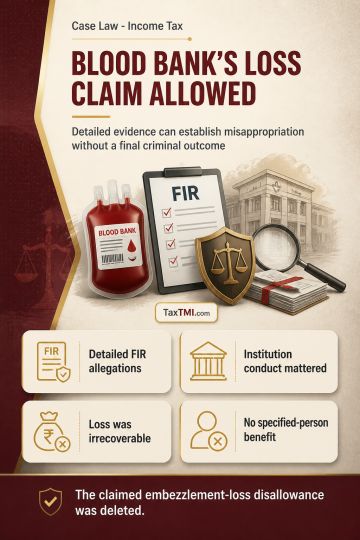
Embezzlement losses in charitable institutions remain allowable when misappropriation is established, irrecoverable, and not a specified-person benefi...
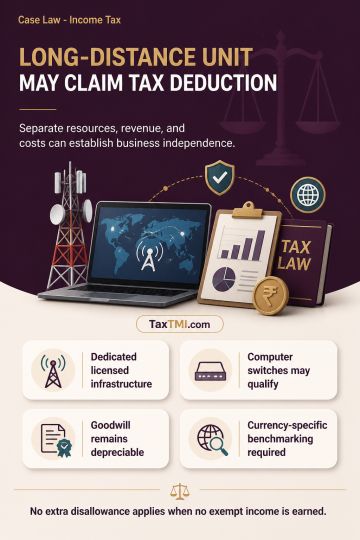
National long-distance undertaking status supports deduction where separately licensed infrastructure, resources, revenue, and expenditure establish c...
Agency reimbursement income follows contractual deposit-liability computation, while pending deposit collections do not constitute deemed-dividend loa...
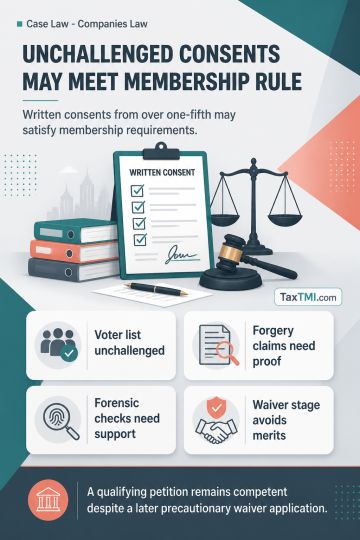
Membership-consent thresholds for oppression petitions are satisfied by unchallenged voter-list consents, while unsupported forgery claims require pro...
The AT affirms the provisional attachment order and dismisses the appeals, holding that the co-lending/service agreements between the NBFC and fintech entities effectively outsourced core management functions, facilitated misuse of borrower data and constituted prima facie commission of offences under sections 417, 419, 420 IPC and sections 66-C, 66-D IT Act. The tribunal finds the fintech entities, by providing funds as a purported "performance guarantee" and receiving guaranteed revenue or service fees, assumed substantive loan-related functions without due diligence, while the NBFC obtained assured returns without capital exposure. The appellants' contention of limited fintech involvement is rejected as the agreements demonstrate delegation of non-permissible core activities.
The AT affirms the provisional attachment order and dismisses the appeals, holding that the co-lending/service agreements between the NBFC and fintech entities effectively outsourced core management functions, facilitated misuse of borrower data and constituted prima facie commission of offences under sections 417, 419, 420 IPC and sections 66-C, 66-D IT Act. The tribunal finds the fintech entities, by providing funds as a purported "performance guarantee" and receiving guaranteed revenue or service fees, assumed substantive loan-related functions without due diligence, while the NBFC obtained assured returns without capital exposure. The appellants' contention of limited fintech involvement is rejected as the agreements demonstrate delegation of non-permissible core activities.
Note: It is a system-generated summary and is for quick reference only.
 TaxTMI
  TaxTMI
 of 4886