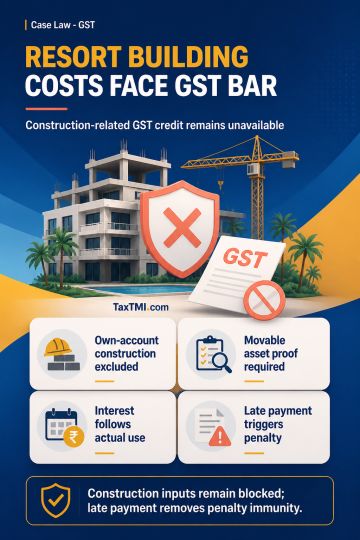
Blocked input tax credit for resort construction remains unavailable; interest follows actual utilisation, while delayed payment attracts statutory pe...
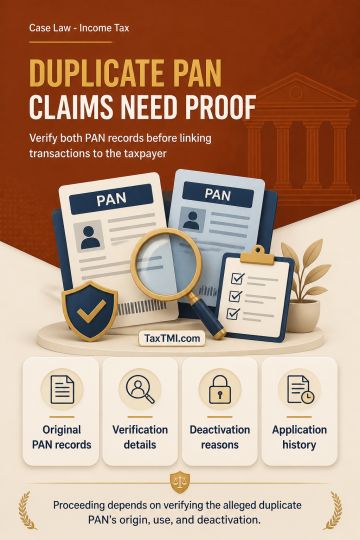
Duplicate PAN allocation requires record verification and deactivation reasons before assessment-related transactions can be attributed to an assessee...
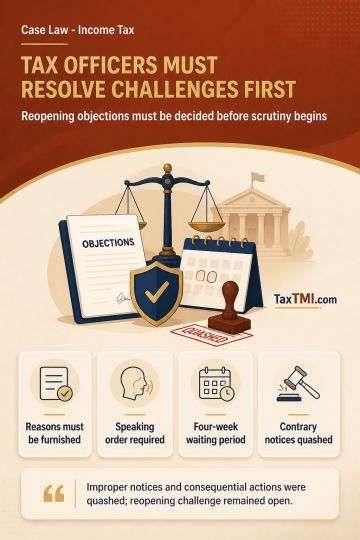
Faceless assessment safeguards require requested personal hearings and adequate final show-cause response time, failing which reassessment is required...
The AT affirms the provisional attachment order and dismisses the appeals, holding that the co-lending/service agreements between the NBFC and fintech entities effectively outsourced core management functions, facilitated misuse of borrower data and constituted prima facie commission of offences under sections 417, 419, 420 IPC and sections 66-C, 66-D IT Act. The tribunal finds the fintech entities, by providing funds as a purported "performance guarantee" and receiving guaranteed revenue or service fees, assumed substantive loan-related functions without due diligence, while the NBFC obtained assured returns without capital exposure. The appellants' contention of limited fintech involvement is rejected as the agreements demonstrate delegation of non-permissible core activities.
The AT affirms the provisional attachment order and dismisses the appeals, holding that the co-lending/service agreements between the NBFC and fintech entities effectively outsourced core management functions, facilitated misuse of borrower data and constituted prima facie commission of offences under sections 417, 419, 420 IPC and sections 66-C, 66-D IT Act. The tribunal finds the fintech entities, by providing funds as a purported "performance guarantee" and receiving guaranteed revenue or service fees, assumed substantive loan-related functions without due diligence, while the NBFC obtained assured returns without capital exposure. The appellants' contention of limited fintech involvement is rejected as the agreements demonstrate delegation of non-permissible core activities.
Note: It is a system-generated summary and is for quick reference only.
 TaxTMI
  TaxTMI
 of 4886