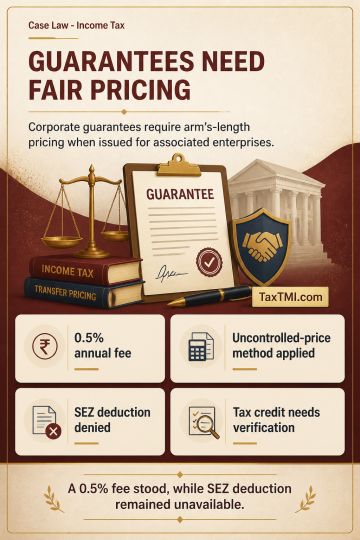
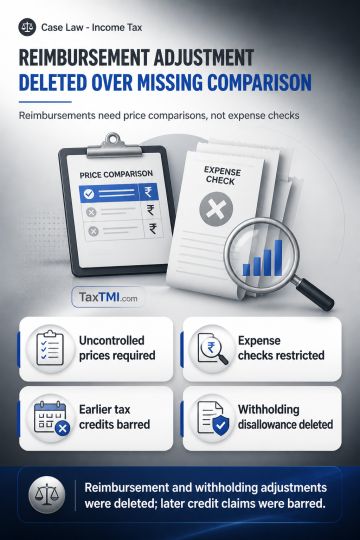
Transfer-pricing reimbursement adjustments require uncontrolled comparables and cannot become expense-genuineness reviews, resulting in deletion of th...
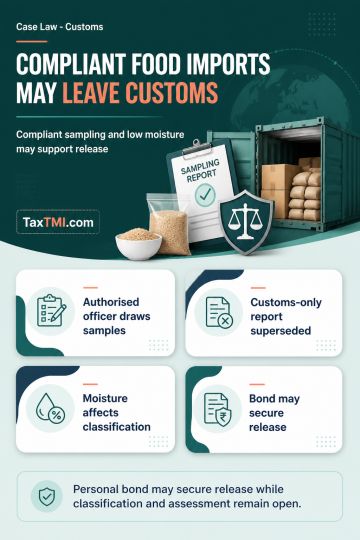
Food import sampling requirements support provisional release where unseized consignments conform to standards and raw areca classification is unestab...
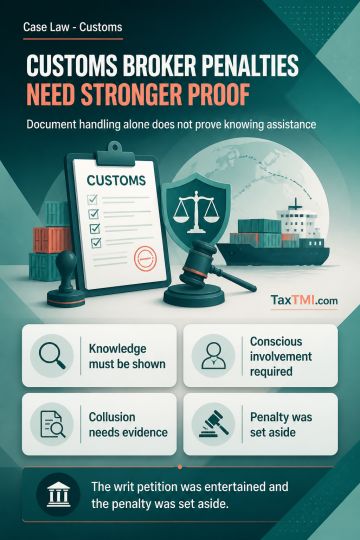
The CESTAT allowed the appeal and set aside the penalty imposed under s.114(iii) of the Customs Act against the CHA. The Tribunal held that the adjudicatory record did not establish culpable conduct by the Appellant: exports were examined and passed by Customs officers, the Appellant obtained the exporter's signature on the shipping bills which constituted sufficient authorization in the absence of any prescribed proforma, and the prosecution failed to prove non-verification or fraudulent overvaluation attributable to the CHA. In consequence, statutory penalty under s.114 was unwarranted and the impugned order imposing penalty is quashed, with the appeal accordingly allowed.
The CESTAT allowed the appeal and set aside the penalty imposed under s.114(iii) of the Customs Act against the CHA. The Tribunal held that the adjudicatory record did not establish culpable conduct by the Appellant: exports were examined and passed by Customs officers, the Appellant obtained the exporter's signature on the shipping bills which constituted sufficient authorization in the absence of any prescribed proforma, and the prosecution failed to prove non-verification or fraudulent overvaluation attributable to the CHA. In consequence, statutory penalty under s.114 was unwarranted and the impugned order imposing penalty is quashed, with the appeal accordingly allowed.
Note: It is a system-generated summary and is for quick reference only.
 TaxTMI
  TaxTMI
 of 4897