Mandatory textile export qualifiers distinguish flame-retardant fabrics from other listed fabrics for automated identification under the textiles ince...
Personal liberty safeguards restrict arrest after court-directed GST appearance, requiring interim release where authorities overreach pending proceed...
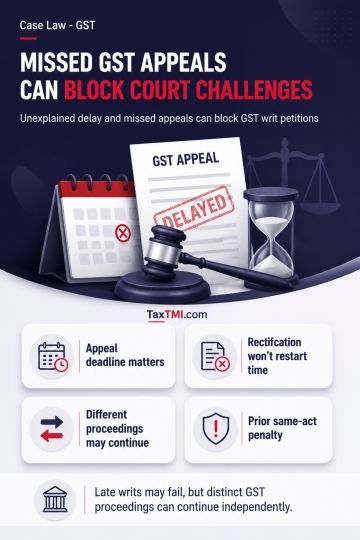
Alternative statutory remedy and delay bar GST writ challenges despite pending rectification, while distinct subject matter permits parallel proceedin...
The AT allowed the appeal, holding the impugned monetary penalty order violated principles of natural justice for failure to effect valid service on the appellant. The tribunal found prima facie evidence that a third party (the employer) operated bank and demat accounts and facilitated accommodation entries and manipulative trades, but concluded the appellant was not afforded an opportunity to be heard. The AT therefore set aside the impugned order and remitted the matter to the Regulator with a direction to provide the appellant a fresh, lawful opportunity of hearing before passing any fresh adjudicatory order under the PFUTP Regulations.
The AT allowed the appeal, holding the impugned monetary penalty order violated principles of natural justice for failure to effect valid service on the appellant. The tribunal found prima facie evidence that a third party (the employer) operated bank and demat accounts and facilitated accommodation entries and manipulative trades, but concluded the appellant was not afforded an opportunity to be heard. The AT therefore set aside the impugned order and remitted the matter to the Regulator with a direction to provide the appellant a fresh, lawful opportunity of hearing before passing any fresh adjudicatory order under the PFUTP Regulations.
Note: It is a system-generated summary and is for quick reference only.
 TaxTMI
  TaxTMI
 of 4881