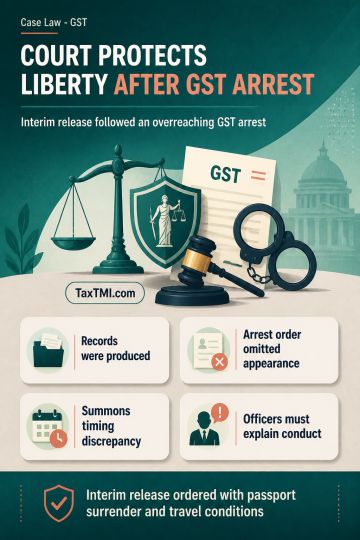
Personal liberty safeguards restrict arrest after court-directed GST appearance, requiring interim release where authorities overreach pending proceed...
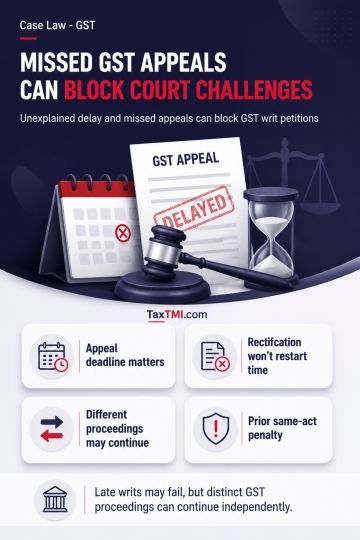
Alternative statutory remedy and delay bar GST writ challenges despite pending rectification, while distinct subject matter permits parallel proceedin...
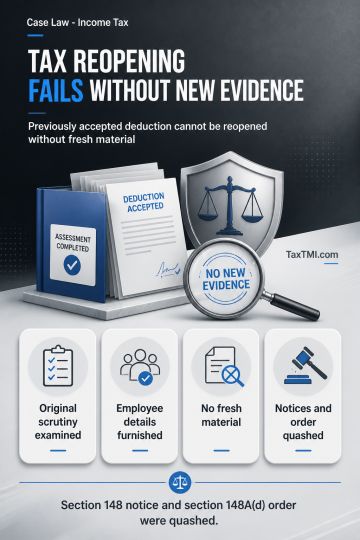
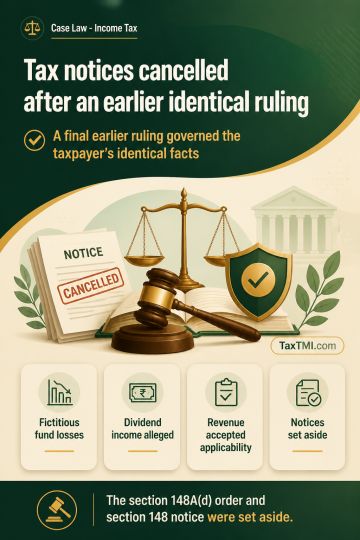
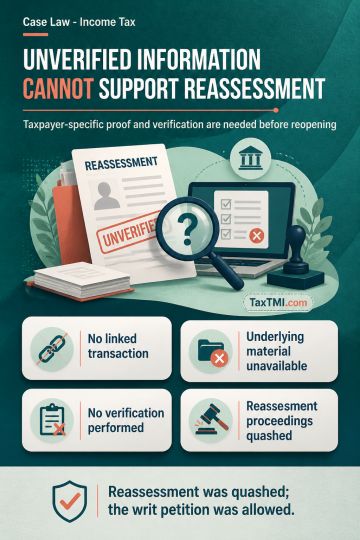
Unverified Insight Portal Information Cannot Justify Reassessment Without a Verified Taxpayer-Specific Income-Escape Nexus or Demonstrated Application...
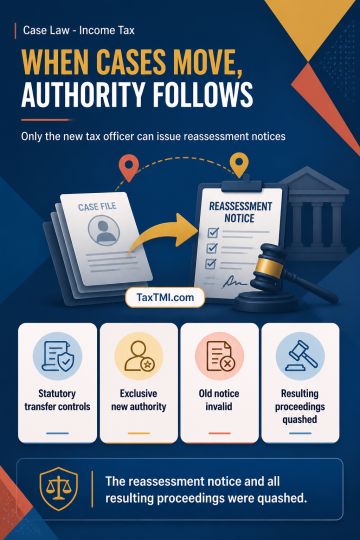
Assessing Officer jurisdiction after statutory transfer invalidates reassessment notices issued by transferor officers and nullifies resulting proceed...
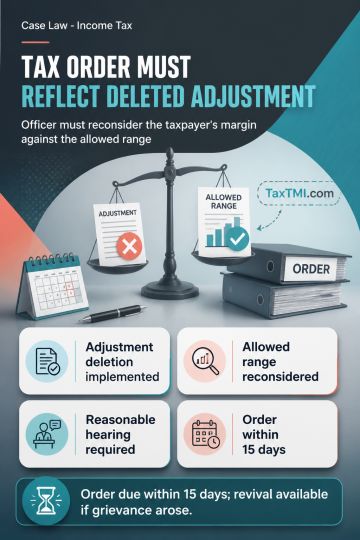
Consequential appeal-effect orders must implement rectification deleting working-capital adjustments and reconsider the resulting arm's-length range c...
AAR held that fusible interlining fabric composed of 85% or more cotton is classifiable under Chapter 52 of the Tariff Schedule. Relying on the legal effect of the Tribunal's prior order and Circular No. 5/89 concerning the treatment of fusible interlinings before the insertion and after deletion of Note 2(c) to Chapter 59, the Authority concluded that such goods are to be classified according to their predominant textile material; where cotton predominates, Chapter 52 applies. The applicant's submitted laboratory test establishing textile composition governed the classification outcome, resulting in duty treatment and tariff classification under Chapter 52.
AAR held that fusible interlining fabric composed of 85% or more cotton is classifiable under Chapter 52 of the Tariff Schedule. Relying on the legal effect of the Tribunal's prior order and Circular No. 5/89 concerning the treatment of fusible interlinings before the insertion and after deletion of Note 2(c) to Chapter 59, the Authority concluded that such goods are to be classified according to their predominant textile material; where cotton predominates, Chapter 52 applies. The applicant's submitted laboratory test establishing textile composition governed the classification outcome, resulting in duty treatment and tariff classification under Chapter 52.
Note: It is a system-generated summary and is for quick reference only.
 TaxTMI
  TaxTMI
 of 4879