Composite GST notices across tax periods breach separate limitation requirements, permitting fresh period-compliant proceedings where lawfully availab...
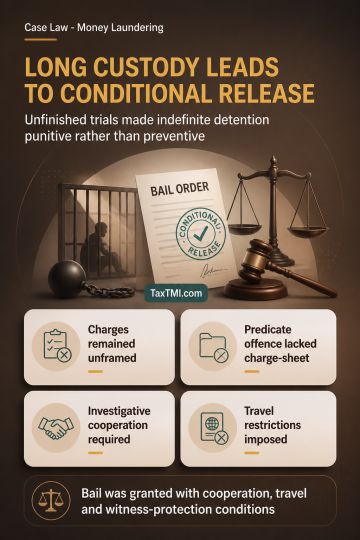
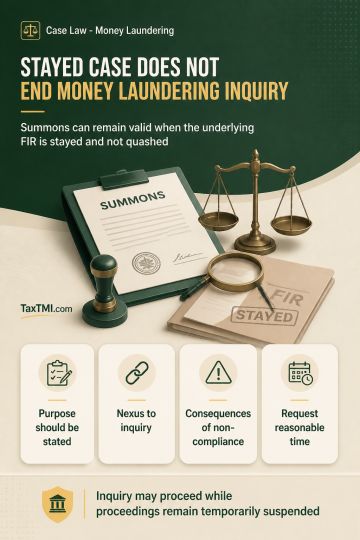
Bank-account freezing under anti-money-laundering law requires recorded reasons; writ review remains available despite an alternative statutory remedy...
Page of 4929
Press 'Enter' after typing page number.
61 to 80 of 98577 Results
❮
❯
❯❯
0 / 200
Expand Note
Add to Folder
No Folders have been created
+
Are you sure you want to delete "My most important" ?
CESTAT allowed the appeals, holding that the appellants discharged the statutory burden under s.27, Customs Act, 1962, by producing a Chartered Accountant's certificate and record evidence demonstrating that imported goods were sold below cost. The Tribunal applied the principle that such admissible proof shifts the onus to the revenue to adduce affirmative evidence that duty was passed on to buyers. The revenue failed to rebut the presumption of non-passing-on or to establish recovery of duty-inclusive prices; consequently the bar of unjust enrichment was held inapplicable. Relief was granted to the appellants and the refunds sought were thereby held admissible.
CESTAT allowed the appeals, holding that the appellants discharged the statutory burden under s.27, Customs Act, 1962, by producing a Chartered Accountant's certificate and record evidence demonstrating that imported goods were sold below cost. The Tribunal applied the principle that such admissible proof shifts the onus to the revenue to adduce affirmative evidence that duty was passed on to buyers. The revenue failed to rebut the presumption of non-passing-on or to establish recovery of duty-inclusive prices; consequently the bar of unjust enrichment was held inapplicable. Relief was granted to the appellants and the refunds sought were thereby held admissible.
Note: It is a system-generated summary and is for quick reference only.
 TaxTMI
 TaxTMI

 of 4929