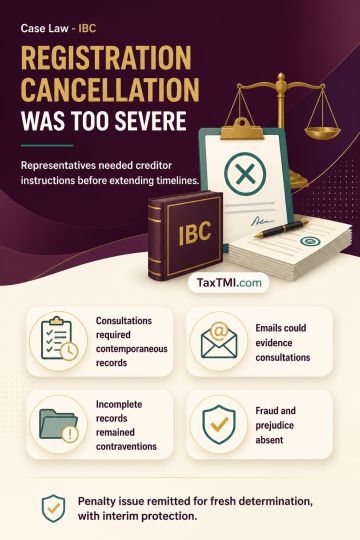
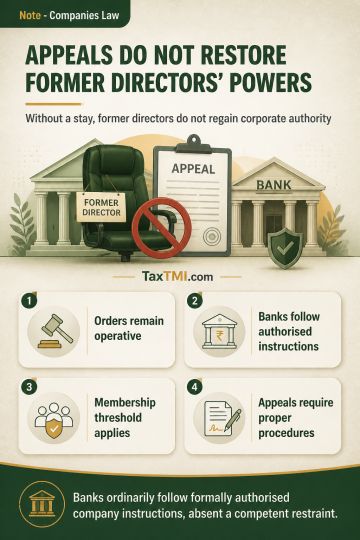
Disciplinary proportionality requires penalties for Authorised Representative misconduct to match proven harm, leading to reconsideration of registrat...
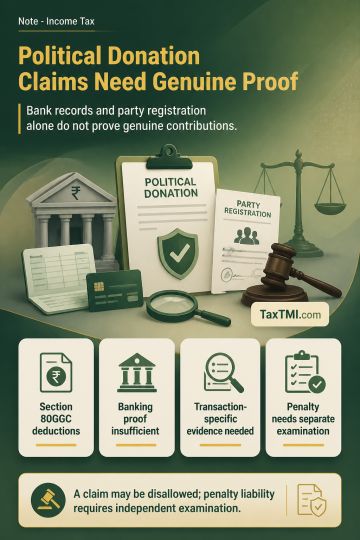
Political contribution deductions require genuine transactions; banking records and party registration alone cannot defeat evidence of accommodation e...
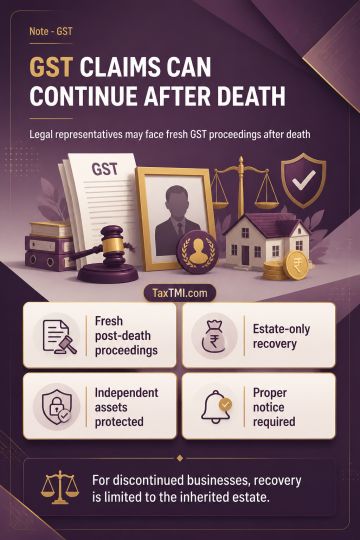
Post-death GST liability permits fresh proceedings against legal representatives, while discontinued-business recovery remains limited to the inherite...
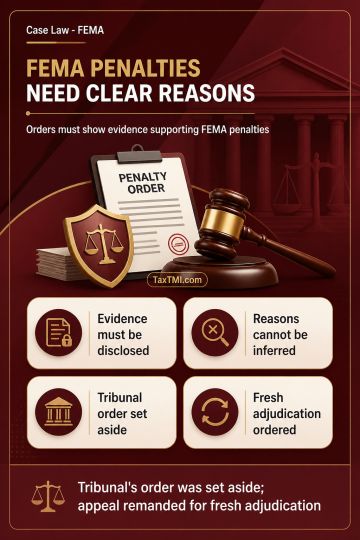
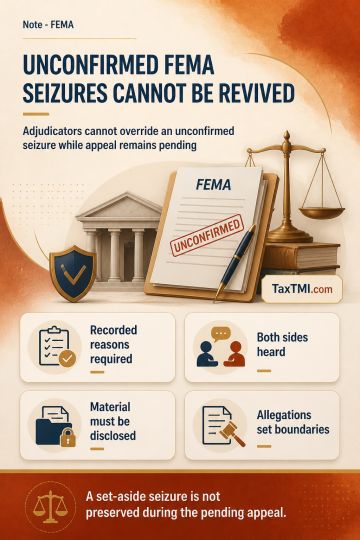
Non-confirmation of FEMA seizure prevents adjudicators from overriding pending appellate findings on recorded reasons and suspected foreign asset hold...
ITAT allowed the appeal, set aside the PCIT's revisionary order under s.263 and upheld the AO's assessment. The Tribunal held excess cash and stock revealed in survey were properly treated as business income after the assessee answered specific inquiries and the AO conducted an inquiry; invocation of s.115BBE was not mandatory. Because the AO took a plausible view, the requisite twin conditions for exercise of s.263-(i) that the assessment order is erroneous, and (ii) that it is prejudicial to Revenue-were not satisfied. Applying the principle that where two views are possible the one favourable to the assessee prevails, the PCIT's revision was quashed.
ITAT allowed the appeal, set aside the PCIT's revisionary order under s.263 and upheld the AO's assessment. The Tribunal held excess cash and stock revealed in survey were properly treated as business income after the assessee answered specific inquiries and the AO conducted an inquiry; invocation of s.115BBE was not mandatory. Because the AO took a plausible view, the requisite twin conditions for exercise of s.263-(i) that the assessment order is erroneous, and (ii) that it is prejudicial to Revenue-were not satisfied. Applying the principle that where two views are possible the one favourable to the assessee prevails, the PCIT's revision was quashed.
Note: It is a system-generated summary and is for quick reference only.
 TaxTMI
  TaxTMI
 of 4921