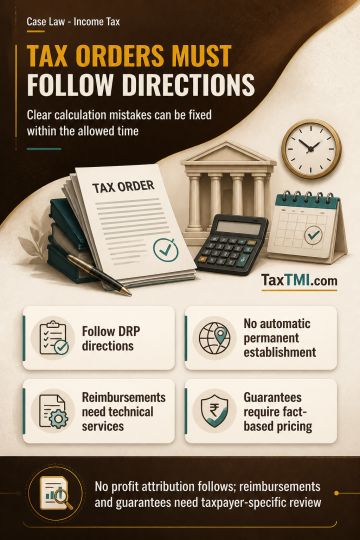
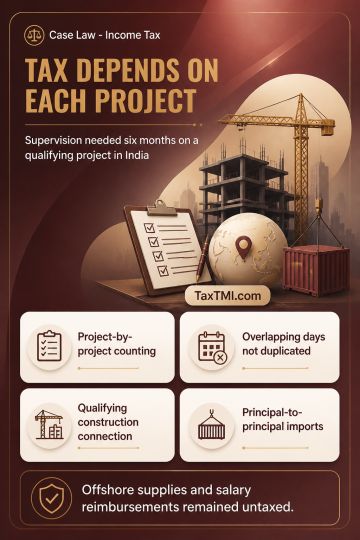
Supervisory permanent establishment requires project-wise duration and qualifying construction nexus; offshore supplies and salary reimbursements rema...
The HC dismissed the petition for bail and remanded the petitioner in custody. The court held there existed reasonable grounds to believe the petitioner committed offences under s.132(1) of the CGST Act, 2017, for wrongfully availing and passing on ineligible ITC totalling Rs. 19.76 crores, exceeding the statutory threshold. A clerical error in the arrest authorization did not vitiate the reasons to believe, which were otherwise specific and reasoned. As investigation remained incomplete, several co-accused were absconding, and there was a real risk of evidence tampering, the court concluded that bail would impede the probe and therefore refused relief.
The HC dismissed the petition for bail and remanded the petitioner in custody. The court held there existed reasonable grounds to believe the petitioner committed offences under s.132(1) of the CGST Act, 2017, for wrongfully availing and passing on ineligible ITC totalling Rs. 19.76 crores, exceeding the statutory threshold. A clerical error in the arrest authorization did not vitiate the reasons to believe, which were otherwise specific and reasoned. As investigation remained incomplete, several co-accused were absconding, and there was a real risk of evidence tampering, the court concluded that bail would impede the probe and therefore refused relief.
Note: It is a system-generated summary and is for quick reference only.
 TaxTMI
  TaxTMI
 of 4881