Capital-gains exemption for charitable trusts extends to qualifying fixed deposits, while unrecoverable TDS write-offs may constitute income applicati...
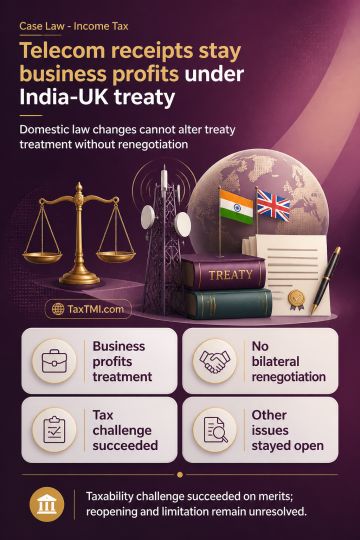
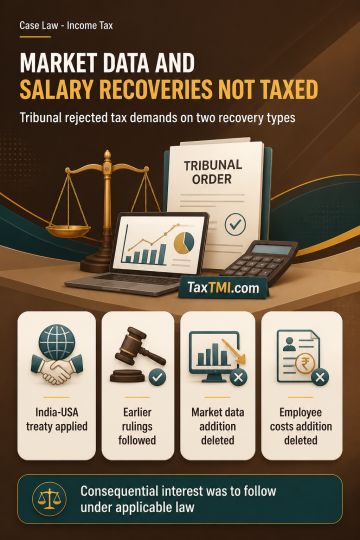
India-UK treaty characterisation of telecom-service receipts as business profits withstands unilateral domestic-law amendments for Indian tax purposes...
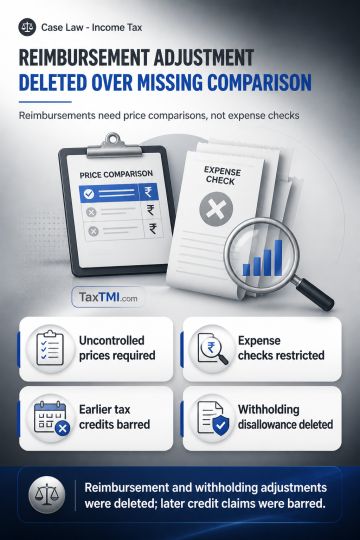
Transfer-pricing reimbursement adjustments require uncontrolled comparables and cannot become expense-genuineness reviews, resulting in deletion of th...
The HC dismissed writ petitions seeking mandamus to compel inclusion of petrol and diesel within the GST regime, holding that fixation of an effective date is a policy decision vested in the GST Council and not a justiciable right of citizens. The court ruled it lacked jurisdiction to direct the Council to set a date, as no statutory or constitutional right entitles petitioners to command that policy outcome under Article 279A. Reliance on authorities concerning statutory professional rights was distinguished. Because the subject matter is squarely within the GST Council's policy domain, judicial interference by way of mandamus was declined and the petitions were dismissed.
The HC dismissed writ petitions seeking mandamus to compel inclusion of petrol and diesel within the GST regime, holding that fixation of an effective date is a policy decision vested in the GST Council and not a justiciable right of citizens. The court ruled it lacked jurisdiction to direct the Council to set a date, as no statutory or constitutional right entitles petitioners to command that policy outcome under Article 279A. Reliance on authorities concerning statutory professional rights was distinguished. Because the subject matter is squarely within the GST Council's policy domain, judicial interference by way of mandamus was declined and the petitions were dismissed.
Note: It is a system-generated summary and is for quick reference only.
 TaxTMI
  TaxTMI
 of 4888