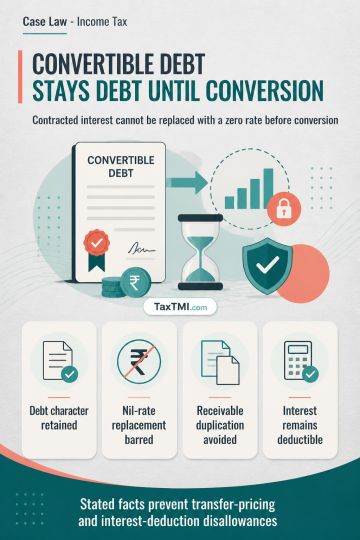
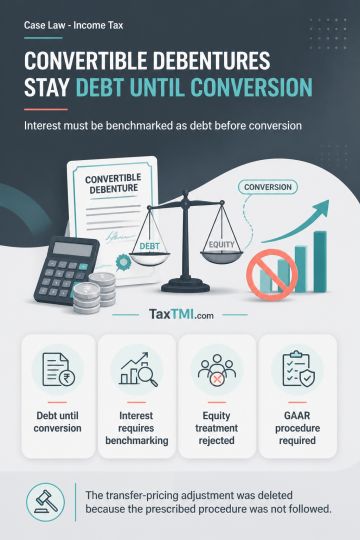
Compulsorily convertible debentures remain debt before conversion, preventing transfer-pricing and interest-deduction disallowances on the stated fact...
Stock-in-trade transfer taxability follows possession and consideration, not later conveyance registration, limiting deemed-value provisions to the ac...
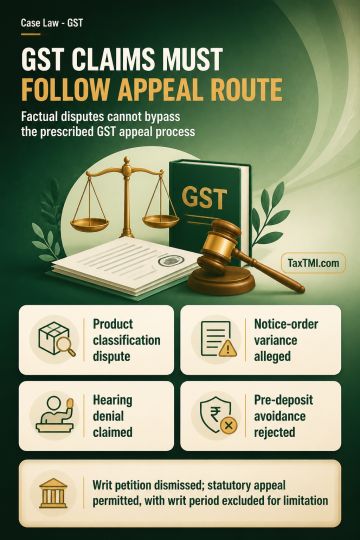
Alternative statutory remedy under GST bars writ challenge where classification, notice variance, and hearing disputes require factual appellate revie...
ITAT deleted the impugned penalty under s.270A, holding that the assessee's reclassification of receipts from business income to long-term capital gains-premised on prevailing judicial decisions and a CBDT circular-did not constitute under-reporting or misreporting of income. The Tribunal found the charge insufficiently specified and concluded the factual and legal position favored the assessee, thereby allowing the effective grounds of appeal and quashing the penalty. The decision follows applicable precedent and resolves that no penalty liability arises where taxability was genuinely contested and determined in favour of capital gains treatment.
ITAT deleted the impugned penalty under s.270A, holding that the assessee's reclassification of receipts from business income to long-term capital gains-premised on prevailing judicial decisions and a CBDT circular-did not constitute under-reporting or misreporting of income. The Tribunal found the charge insufficiently specified and concluded the factual and legal position favored the assessee, thereby allowing the effective grounds of appeal and quashing the penalty. The decision follows applicable precedent and resolves that no penalty liability arises where taxability was genuinely contested and determined in favour of capital gains treatment.
Note: It is a system-generated summary and is for quick reference only.
 TaxTMI
  TaxTMI
 of 4886