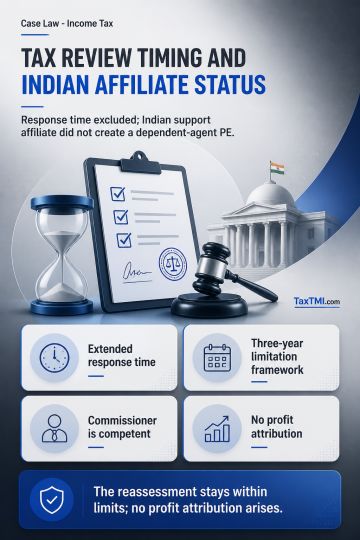
Supervisory permanent establishment requires project-wise duration and qualifying construction nexus; offshore supplies and salary reimbursements rema...
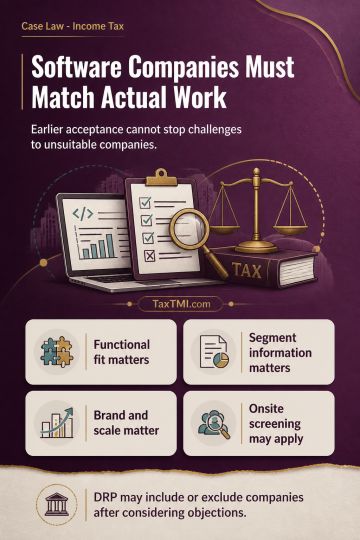
Transfer-pricing comparability permits fresh objections and filters where software service comparables are functionally unsuitable for arm's-length pr...
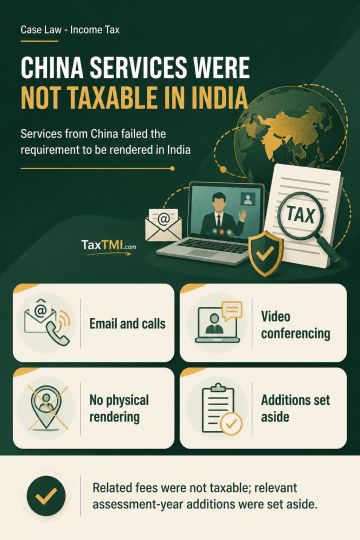
Territorial rendering requirement excludes China-based management and consultancy services from fees for technical services under the India-China DTAA...
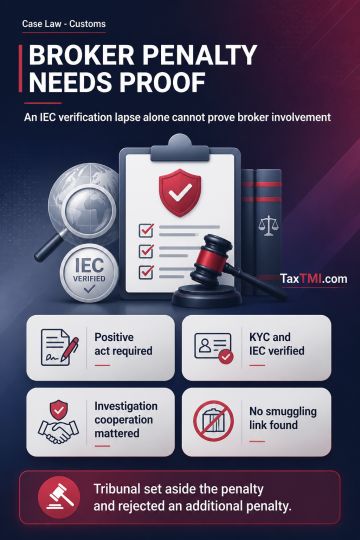
The CESTAT set aside the impugned order imposing a penalty under Section 112 of the Customs Act, 1962 on the appellant (customs clearing agent/employee), holding that there was no evidentiary basis to establish mens rea or active participation in diversion of imported goods subject to an advance licence; the record showed only handling of documents and no admission or statement implicating the appellant in physical delivery to an unauthorised location. For want of proof linking the appellant to the diversion or knowledge thereof, the Tribunal quashed the penalty and allowed the appeal, remitting no further relief.
The CESTAT set aside the impugned order imposing a penalty under Section 112 of the Customs Act, 1962 on the appellant (customs clearing agent/employee), holding that there was no evidentiary basis to establish mens rea or active participation in diversion of imported goods subject to an advance licence; the record showed only handling of documents and no admission or statement implicating the appellant in physical delivery to an unauthorised location. For want of proof linking the appellant to the diversion or knowledge thereof, the Tribunal quashed the penalty and allowed the appeal, remitting no further relief.
Note: It is a system-generated summary and is for quick reference only.
 TaxTMI
  TaxTMI
 of 4883