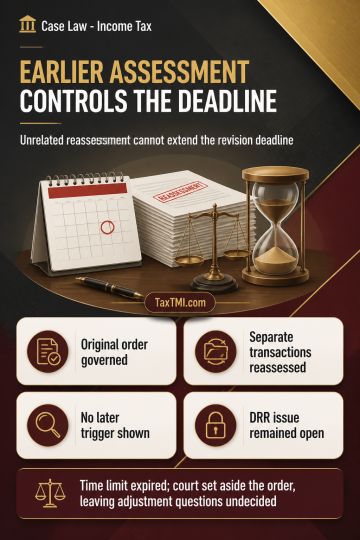
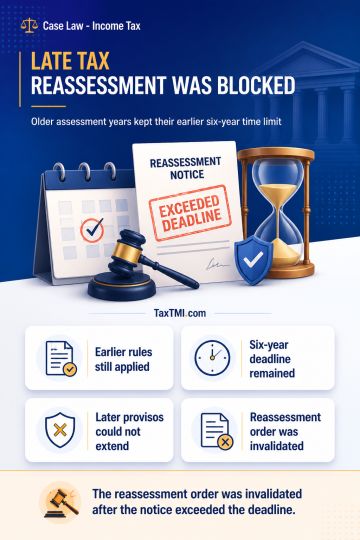
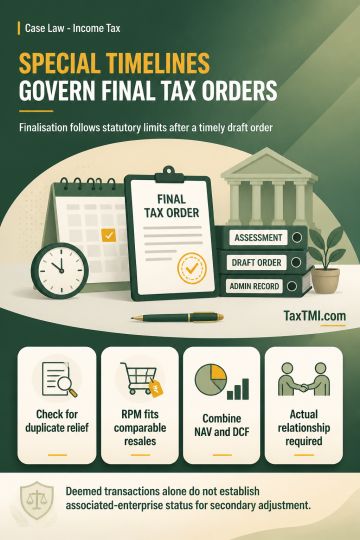
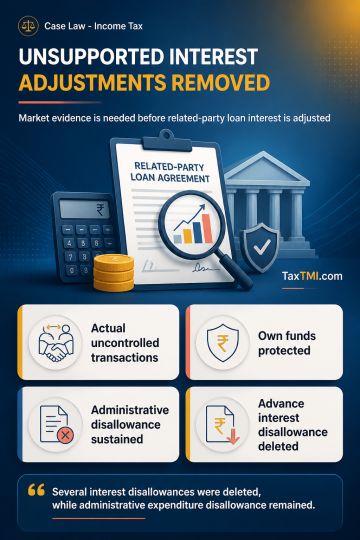
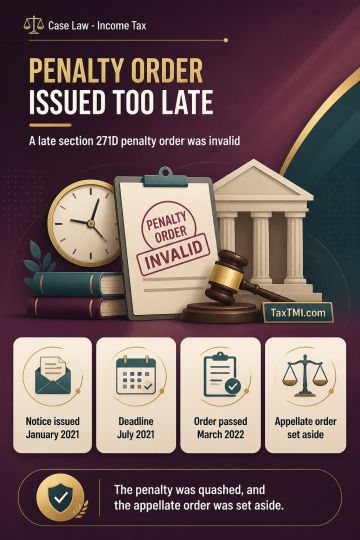
Pre-amendment reassessment limitation bars late notices under the preserved regime, invalidating consequential reassessment for affected earlier asses...
Cash-sales explanations for bank deposits require documentary reconciliation; reassessment notice survived where effective response time was available...
Functional comparability in transfer pricing prevents ad hoc arm's length adjustments where functions, assets, risks and reliable comparables are unes...
The appeal was dismissed for default by CESTAT under Rule 20 of the CESTAT (Procedure) Rules, 1982, after the appellant failed to appear or arrange representation despite service of notice. The Tribunal found no application on record seeking adjudication on merits ex parte and observed that proceeding on merits in the appellant's absence would risk rendering any subsequent order functus officio and depriving the appellant of audi alteram partem. The dismissal was therefore sustained as the appellant manifested no interest in prosecuting the appeal and no sufficient cause for non-appearance was established. The decision leaves open the procedural remedy to seek restoration by demonstrating sufficient cause for non-appearance.
The appeal was dismissed for default by CESTAT under Rule 20 of the CESTAT (Procedure) Rules, 1982, after the appellant failed to appear or arrange representation despite service of notice. The Tribunal found no application on record seeking adjudication on merits ex parte and observed that proceeding on merits in the appellant's absence would risk rendering any subsequent order functus officio and depriving the appellant of audi alteram partem. The dismissal was therefore sustained as the appellant manifested no interest in prosecuting the appeal and no sufficient cause for non-appearance was established. The decision leaves open the procedural remedy to seek restoration by demonstrating sufficient cause for non-appearance.
Note: It is a system-generated summary and is for quick reference only.
 TaxTMI
 TaxTMI

 of 4918