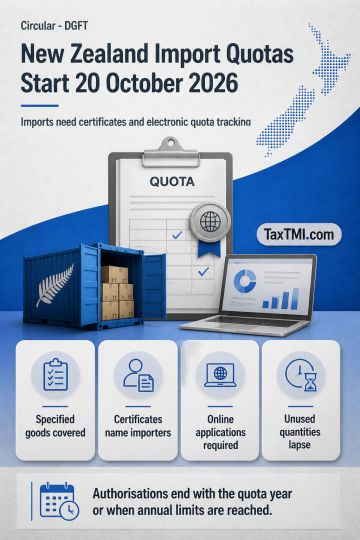
Tariff rate quota authorisations govern preferential imports of specified New Zealand goods through export certification and electronic customs debiti...
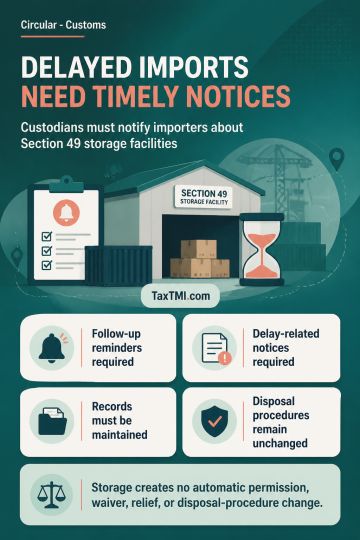
Electronic Continuity Bond Registration replaces manual container permissions, with quarterly reporting and re-export monitoring for duty-free contain...
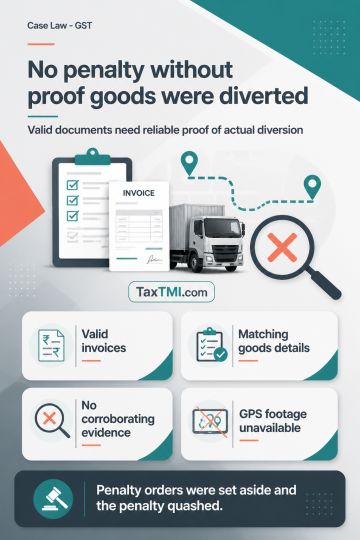
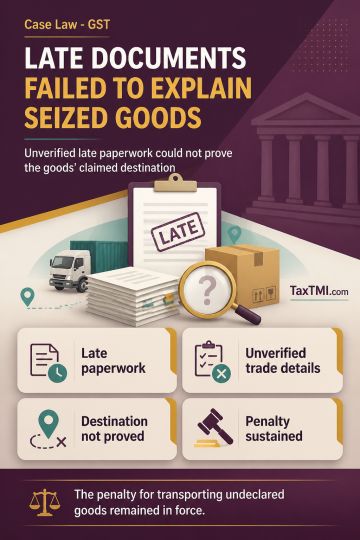
Delayed transport documents failed to validate intercepted goods, sustaining transit-state penalties where the claimed interstate destination remained...
ITAT held that the recording of satisfaction by the AO under section 153C was legally deficient and failed to establish jurisdiction to initiate proceedings. The satisfaction note did not identify specific incriminating documents as belonging to the assessee, did not link seized material to the relevant assessment year, nor quantified the quantum relied upon; it was a consolidated, vague recording lacking year-wise correlation. Consequent to this inadequacy, the tribunal concluded that proceedings under section 153C could not be sustained and allowed the assessee's appeal, setting aside the impugned assessment initiated on the basis of the defective satisfaction note.
ITAT held that the recording of satisfaction by the AO under section 153C was legally deficient and failed to establish jurisdiction to initiate proceedings. The satisfaction note did not identify specific incriminating documents as belonging to the assessee, did not link seized material to the relevant assessment year, nor quantified the quantum relied upon; it was a consolidated, vague recording lacking year-wise correlation. Consequent to this inadequacy, the tribunal concluded that proceedings under section 153C could not be sustained and allowed the assessee's appeal, setting aside the impugned assessment initiated on the basis of the defective satisfaction note.
Note: It is a system-generated summary and is for quick reference only.
 TaxTMI
 TaxTMI