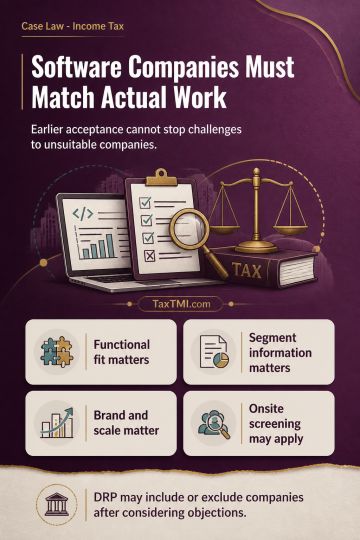
Transfer-pricing comparability permits fresh objections and filters where software service comparables are functionally unsuitable for arm's-length pr...
Territorial rendering requirement excludes China-based management and consultancy services from fees for technical services under the India-China DTAA...
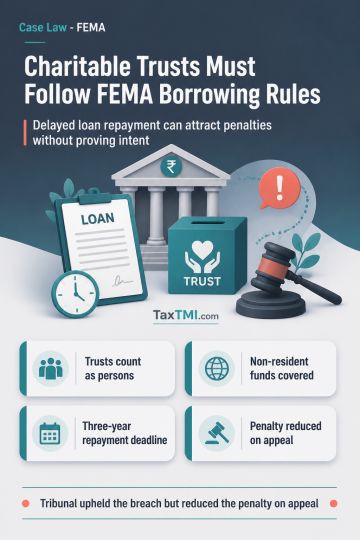
FEMA borrowing restrictions bind charitable trusts, and civil penalties apply without proving intent for delayed repayment of non-resident rupee loans...
The SC allowed the appeal, set aside the HC's order and restored the execution court's position, holding that the arbitral award-drafted in conformity with the parties' MoU-did not grant compound interest and accordingly cannot be supplemented at execution. Under s.31(7)(a)/(b) of the Arbitration and Conciliation Act, party autonomy governs interest from cause of action to award date and the tribunal's discretion under clause (a) exists only in the absence of contrary agreement; clause (b) is contingent on an award. Because the tribunal awarded interest only until repayment and the MoU did not provide for compounding, the respondent's claim for compound interest in execution was rejected.
The SC allowed the appeal, set aside the HC's order and restored the execution court's position, holding that the arbitral award-drafted in conformity with the parties' MoU-did not grant compound interest and accordingly cannot be supplemented at execution. Under s.31(7)(a)/(b) of the Arbitration and Conciliation Act, party autonomy governs interest from cause of action to award date and the tribunal's discretion under clause (a) exists only in the absence of contrary agreement; clause (b) is contingent on an award. Because the tribunal awarded interest only until repayment and the MoU did not provide for compounding, the respondent's claim for compound interest in execution was rejected.
Note: It is a system-generated summary and is for quick reference only.
 TaxTMI
  TaxTMI
 of 4891