Capital-gains exemption for charitable trusts extends to qualifying fixed deposits, while unrecoverable TDS write-offs may constitute income applicati...
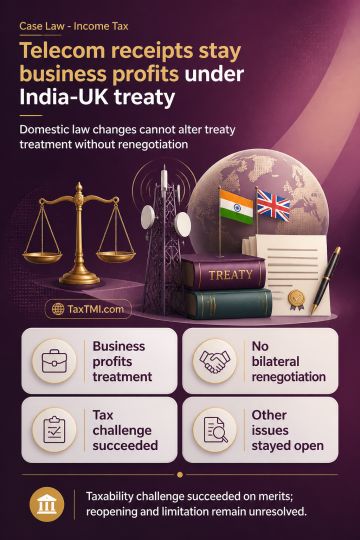
India-UK treaty characterisation of telecom-service receipts as business profits withstands unilateral domestic-law amendments for Indian tax purposes...
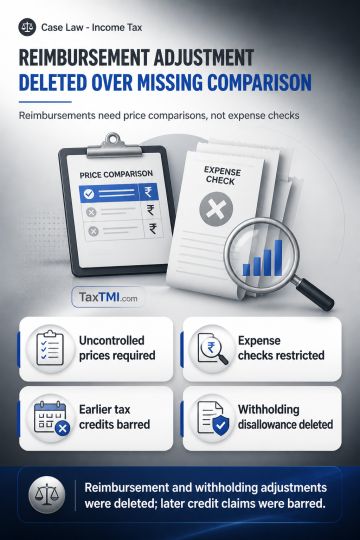
Transfer-pricing reimbursement adjustments require uncontrolled comparables and cannot become expense-genuineness reviews, resulting in deletion of th...
SC held that issuance of summons does not amount to the "initiation of any proceedings" under Section 6(2)(b) of the CGST Act; formal initiation occurs upon service of a show cause notice delineating the subject matter. The Court construed "subject matter" as the specific tax liability, deficiency or obligation framed in adjudicatory proceedings and held that overlapping or investigative acts (summons, search, seizure) do not ipso facto create identical subject matter attracting the bar in Section 6(2)(b). Section 6(2)(a) requires a proper officer issuing an order under the CGST Act to communicate a corresponding order to the State/UT counterpart to prevent multiplicity of proceedings. Petition disposed.
SC held that issuance of summons does not amount to the "initiation of any proceedings" under Section 6(2)(b) of the CGST Act; formal initiation occurs upon service of a show cause notice delineating the subject matter. The Court construed "subject matter" as the specific tax liability, deficiency or obligation framed in adjudicatory proceedings and held that overlapping or investigative acts (summons, search, seizure) do not ipso facto create identical subject matter attracting the bar in Section 6(2)(b). Section 6(2)(a) requires a proper officer issuing an order under the CGST Act to communicate a corresponding order to the State/UT counterpart to prevent multiplicity of proceedings. Petition disposed.
Note: It is a system-generated summary and is for quick reference only.
 TaxTMI
  TaxTMI
 of 4886