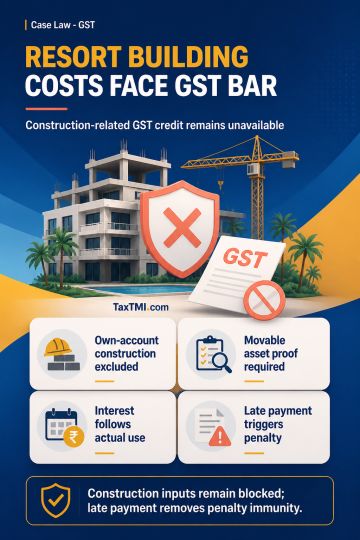
Blocked input tax credit for resort construction remains unavailable; interest follows actual utilisation, while delayed payment attracts statutory pe...
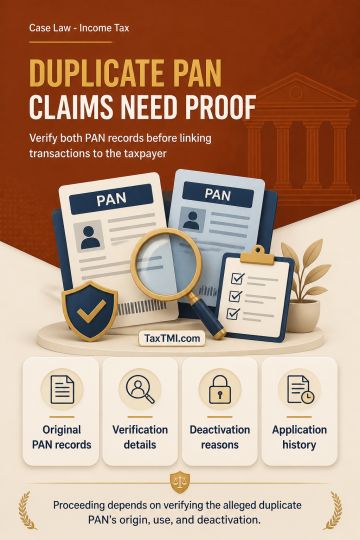
Duplicate PAN allocation requires record verification and deactivation reasons before assessment-related transactions can be attributed to an assessee...
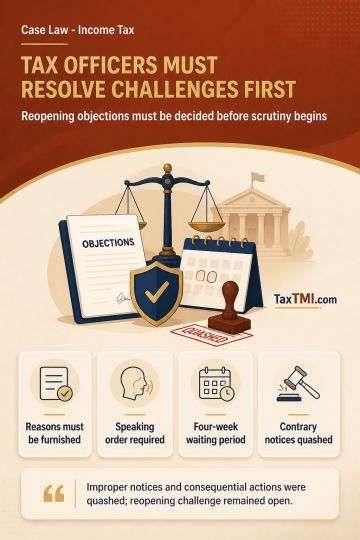
Faceless assessment safeguards require requested personal hearings and adequate final show-cause response time, failing which reassessment is required...
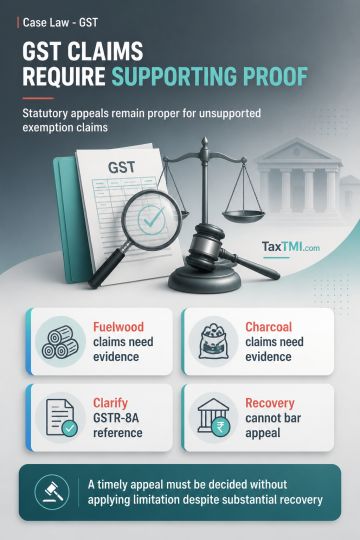
The HC dismissed the writ petition challenging the impugned order alleging fraudulent availment of Input Tax Credit (ITC) by multiple parties. The Court noted that the Petitioner's reply to the show cause notice (SCN) may not have been duly considered, raising a potential natural justice issue. However, given the complexity involving numerous transactions and multiple noticees, the Court held that detailed factual examination is inappropriate under writ jurisdiction. The Court emphasized that the Petitioner should pursue statutory appellate remedies instead of seeking relief via writ petition. Consequently, the petition was dismissed without adjudicating the merits of the alleged fraudulent ITC claims or penalties imposed.
The HC dismissed the writ petition challenging the impugned order alleging fraudulent availment of Input Tax Credit (ITC) by multiple parties. The Court noted that the Petitioner's reply to the show cause notice (SCN) may not have been duly considered, raising a potential natural justice issue. However, given the complexity involving numerous transactions and multiple noticees, the Court held that detailed factual examination is inappropriate under writ jurisdiction. The Court emphasized that the Petitioner should pursue statutory appellate remedies instead of seeking relief via writ petition. Consequently, the petition was dismissed without adjudicating the merits of the alleged fraudulent ITC claims or penalties imposed.
Note: It is a system-generated summary and is for quick reference only.
 TaxTMI
  TaxTMI
 of 4888