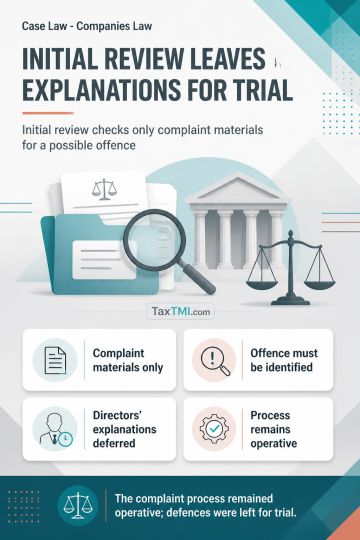
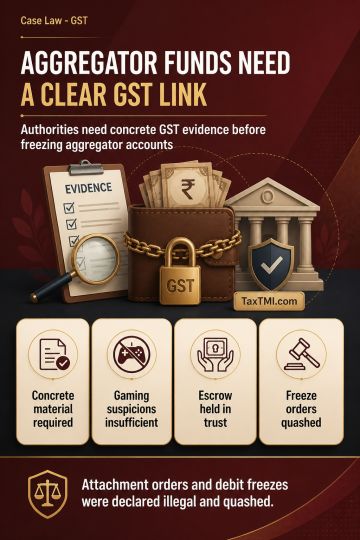
Electronic evidence and search statements in tax assessments require authenticity review and corroboration, while procedural manuals lack statutory fo...
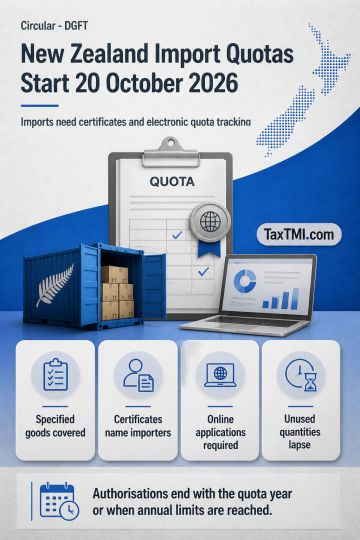
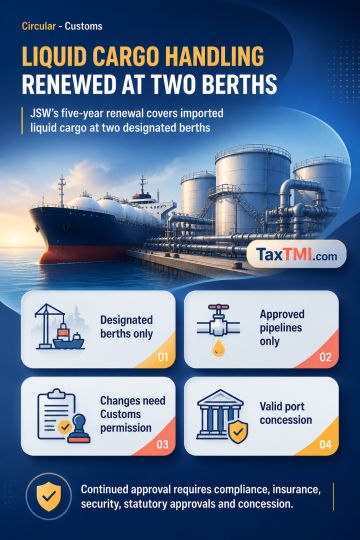
Tariff rate quota authorisations govern preferential imports of specified New Zealand goods through export certification and electronic customs debiti...
Electronic Continuity Bond Registration replaces manual container permissions, with quarterly reporting and re-export monitoring for duty-free contain...
The Appellate Tribunal held that the one-year limitation period for availing Cenvat credit, as prescribed under the fifth proviso to Rule 4(7) of CCR, applies from the date of invoice issuance. However, the Tribunal found that the lower authority exceeded the scope of the SCN by disputing the exact date of credit availment rather than the computation method of the limitation period. The appellant was entitled to avail the Cenvat credit within the prescribed period and did so without malafide intent. Further, the Tribunal clarified that Cenvat credit availed at any time during a month is treated as availed on the first day of the subsequent month for utilization purposes, thereby validating the appellant's claim. Consequently, the impugned Order-in-Appeal was set aside, and the appeal was allowed, confirming the admissibility of the disputed Cenvat credit.
The Appellate Tribunal held that the one-year limitation period for availing Cenvat credit, as prescribed under the fifth proviso to Rule 4(7) of CCR, applies from the date of invoice issuance. However, the Tribunal found that the lower authority exceeded the scope of the SCN by disputing the exact date of credit availment rather than the computation method of the limitation period. The appellant was entitled to avail the Cenvat credit within the prescribed period and did so without malafide intent. Further, the Tribunal clarified that Cenvat credit availed at any time during a month is treated as availed on the first day of the subsequent month for utilization purposes, thereby validating the appellant's claim. Consequently, the impugned Order-in-Appeal was set aside, and the appeal was allowed, confirming the admissibility of the disputed Cenvat credit.
Note: It is a system-generated summary and is for quick reference only.
 TaxTMI
 TaxTMI

 of 4921