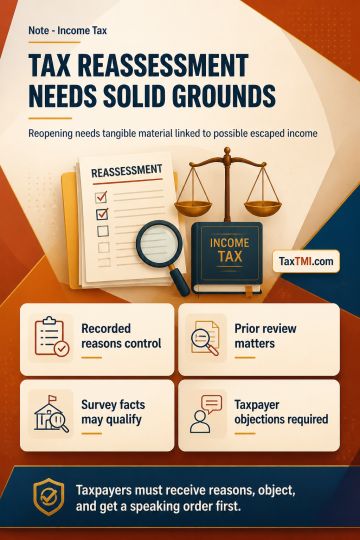
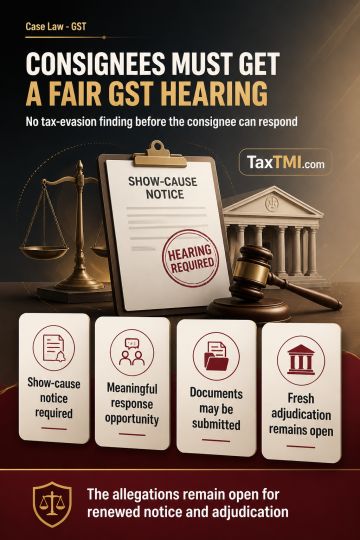
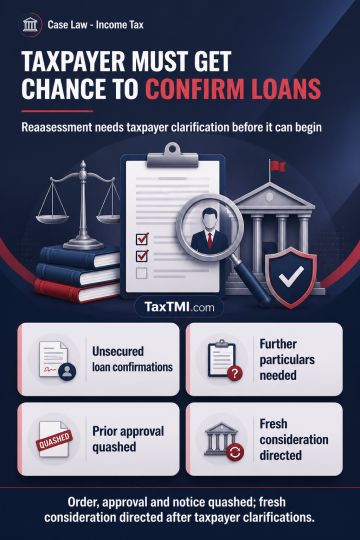
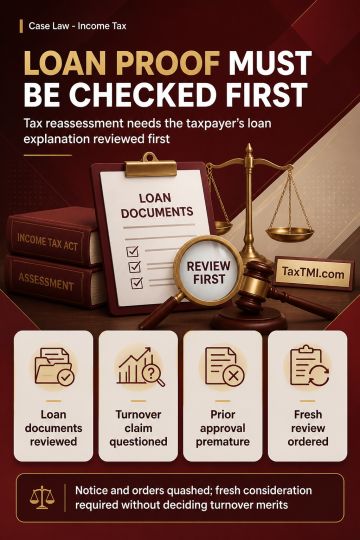
Opportunity to furnish unsecured-loan confirmations is required before reassessment initiation; proceedings require fresh consideration after taxpayer...
The SC upheld the High Court's determination that telecommunication towers do not constitute immovable property under Section 17(5)(d) of the CGST Act and are therefore eligible for input tax credit. The petitioners' contention that the towers are movable equipment was accepted, rejecting the Revenue's denial of credit. The SC declined to exercise its discretionary jurisdiction under Article 136, finding no merit in the Revenue's challenge. Consequently, the petition was dismissed, affirming the availability of input tax credit on telecommunication towers.
The SC upheld the High Court's determination that telecommunication towers do not constitute immovable property under Section 17(5)(d) of the CGST Act and are therefore eligible for input tax credit. The petitioners' contention that the towers are movable equipment was accepted, rejecting the Revenue's denial of credit. The SC declined to exercise its discretionary jurisdiction under Article 136, finding no merit in the Revenue's challenge. Consequently, the petition was dismissed, affirming the availability of input tax credit on telecommunication towers.
Note: It is a system-generated summary and is for quick reference only.
 TaxTMI
  TaxTMI
 of 4918