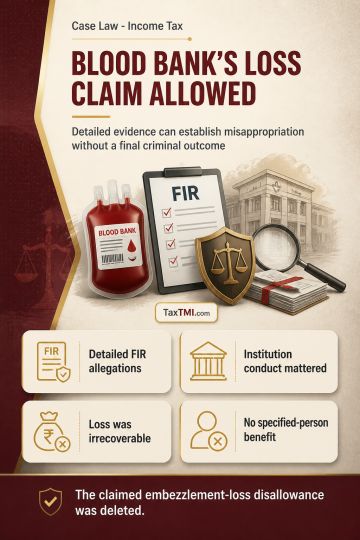
Embezzlement losses in charitable institutions remain allowable when misappropriation is established, irrecoverable, and not a specified-person benefi...
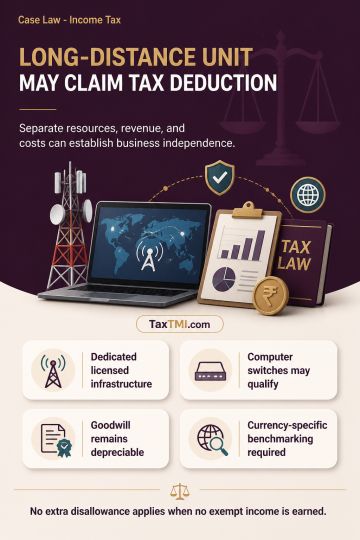
National long-distance undertaking status supports deduction where separately licensed infrastructure, resources, revenue, and expenditure establish c...
Agency reimbursement income follows contractual deposit-liability computation, while pending deposit collections do not constitute deemed-dividend loa...
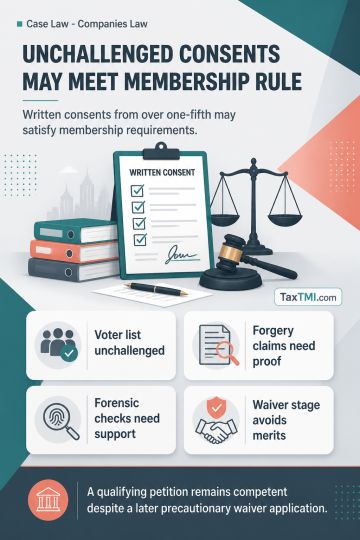
Membership-consent thresholds for oppression petitions are satisfied by unchallenged voter-list consents, while unsupported forgery claims require pro...
The SC held that criminal proceedings initiated by the complainant for recovery of unpaid sale consideration do not constitute criminal breach of trust under Section 406 IPC, as mere sale transactions do not amount to entrustment of goods. The Court criticized the High Court for permitting criminal proceedings in a pure civil dispute, emphasizing that such resort amounts to abuse of process. The SC underscored established jurisprudence clarifying the distinction between civil claims and criminal breach of trust. Observations by the High Court suggesting criminal prosecution as a substitute for civil recovery were condemned. Consequently, the SC set aside the impugned High Court order and remanded the matter for fresh consideration of the Criminal Miscellaneous Application, partially allowing the appeal.
The SC held that criminal proceedings initiated by the complainant for recovery of unpaid sale consideration do not constitute criminal breach of trust under Section 406 IPC, as mere sale transactions do not amount to entrustment of goods. The Court criticized the High Court for permitting criminal proceedings in a pure civil dispute, emphasizing that such resort amounts to abuse of process. The SC underscored established jurisprudence clarifying the distinction between civil claims and criminal breach of trust. Observations by the High Court suggesting criminal prosecution as a substitute for civil recovery were condemned. Consequently, the SC set aside the impugned High Court order and remanded the matter for fresh consideration of the Criminal Miscellaneous Application, partially allowing the appeal.
Note: It is a system-generated summary and is for quick reference only.
 TaxTMI
  TaxTMI
 of 4881