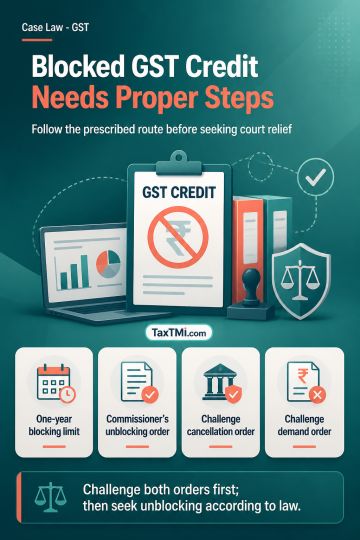
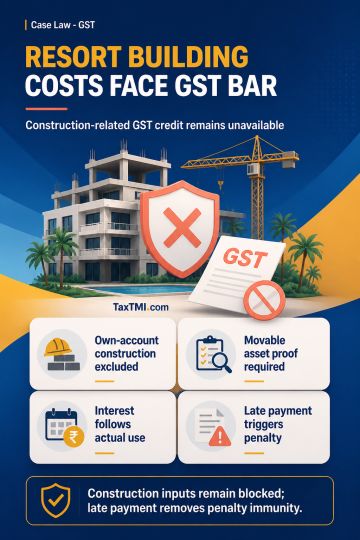
Blocked input tax credit for resort construction remains unavailable; interest follows actual utilisation, while delayed payment attracts statutory pe...
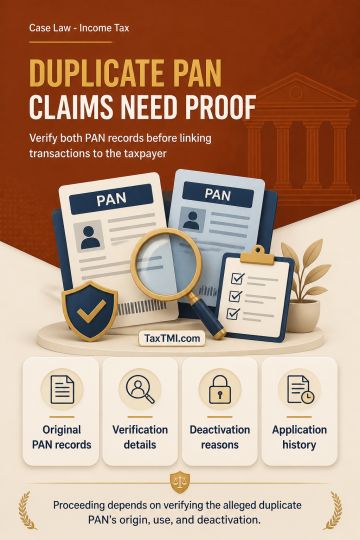
Duplicate PAN allocation requires record verification and deactivation reasons before assessment-related transactions can be attributed to an assessee...
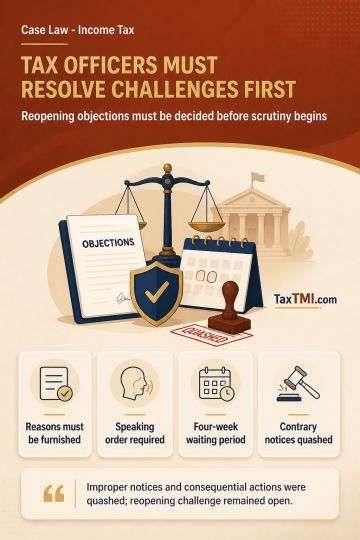
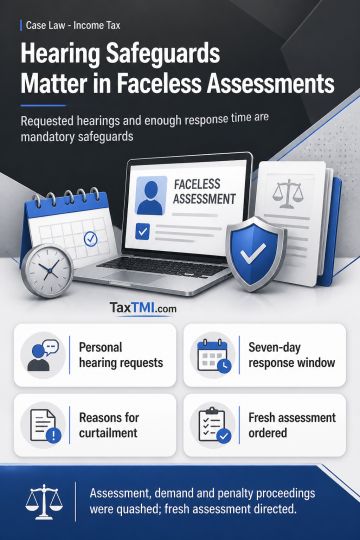
Faceless assessment safeguards require requested personal hearings and adequate final show-cause response time, failing which reassessment is required...
The SC held that criminal proceedings initiated by the complainant for recovery of unpaid sale consideration do not constitute criminal breach of trust under Section 406 IPC, as mere sale transactions do not amount to entrustment of goods. The Court criticized the High Court for permitting criminal proceedings in a pure civil dispute, emphasizing that such resort amounts to abuse of process. The SC underscored established jurisprudence clarifying the distinction between civil claims and criminal breach of trust. Observations by the High Court suggesting criminal prosecution as a substitute for civil recovery were condemned. Consequently, the SC set aside the impugned High Court order and remanded the matter for fresh consideration of the Criminal Miscellaneous Application, partially allowing the appeal.
The SC held that criminal proceedings initiated by the complainant for recovery of unpaid sale consideration do not constitute criminal breach of trust under Section 406 IPC, as mere sale transactions do not amount to entrustment of goods. The Court criticized the High Court for permitting criminal proceedings in a pure civil dispute, emphasizing that such resort amounts to abuse of process. The SC underscored established jurisprudence clarifying the distinction between civil claims and criminal breach of trust. Observations by the High Court suggesting criminal prosecution as a substitute for civil recovery were condemned. Consequently, the SC set aside the impugned High Court order and remanded the matter for fresh consideration of the Criminal Miscellaneous Application, partially allowing the appeal.
Note: It is a system-generated summary and is for quick reference only.
 TaxTMI
  TaxTMI