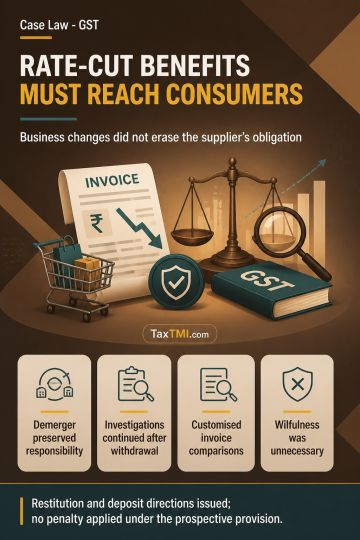
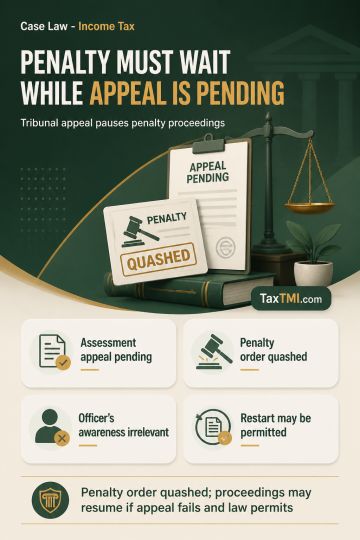
Anti-profiteering obligations survive business demerger, complaint withdrawal, and customized supply arrangements where rate-reduction benefits are no...
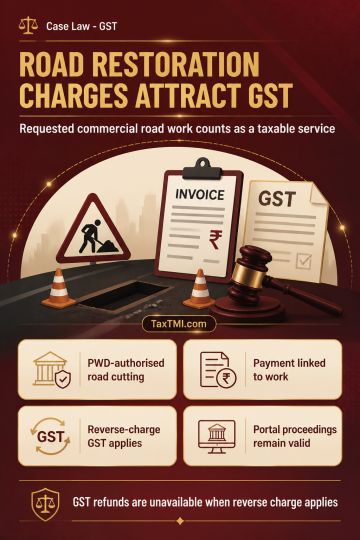
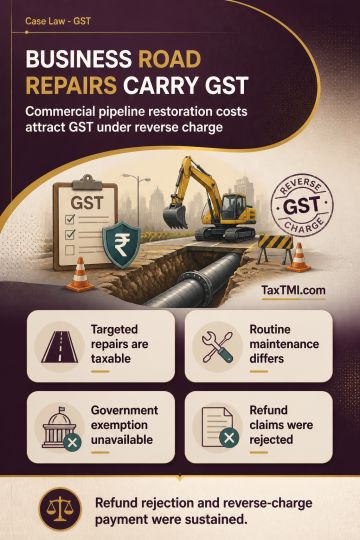
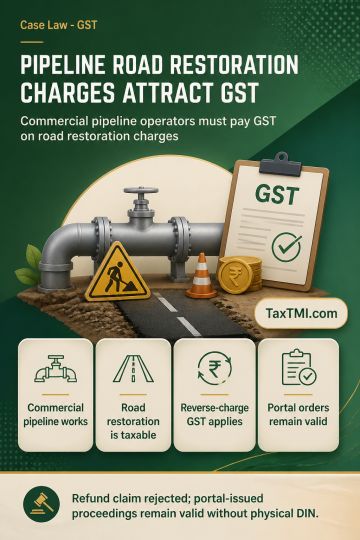
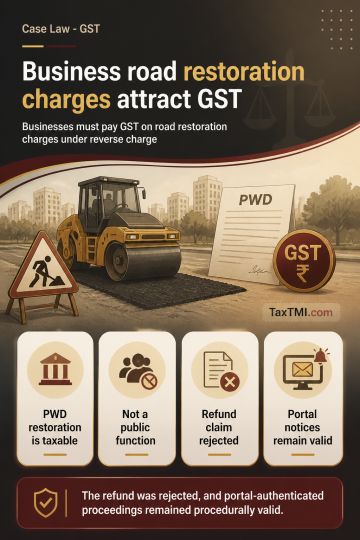
Road restoration charges constitute taxable services when requested for commercial pipeline activity, requiring reverse-charge GST from the business r...
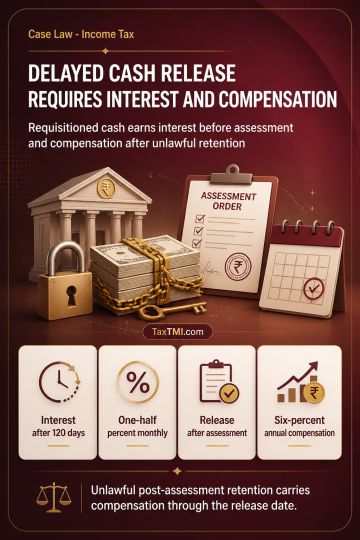
Interest on delayed release of requisitioned cash includes statutory pre-assessment interest and restitutionary compensation for unlawful post-assessm...
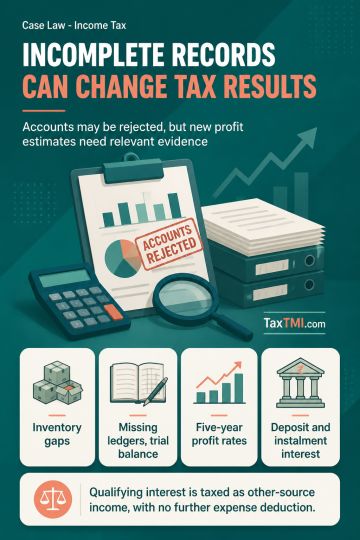
Incomplete inventory records justify rejecting accounts, while profit estimation requires relevant comparable material and interest falls under other ...
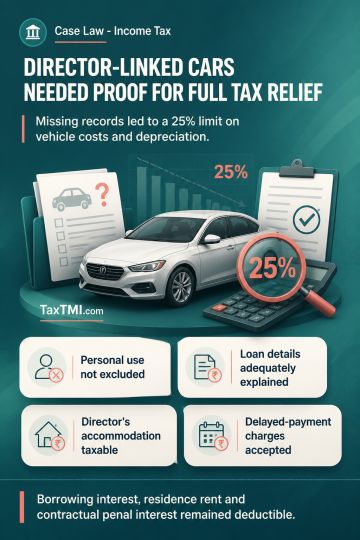
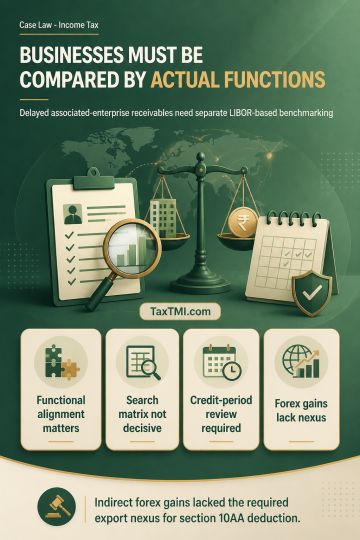
Transfer-pricing comparability requires functional alignment; delayed associated-enterprise receivables need separate LIBOR-based benchmarking, while ...
The CESTAT upheld the Commissioner (Appeals) order allowing the appellant to seek amendment of Bills of Entry under section 149 of the Customs Act, rejecting the Revenue's contention that amendments cannot be made under section 17(5). It was clarified that section 17(5) mandates a speaking order for reassessment under section 17(4) but does not permit document amendment by the assessee. The Tribunal relied on precedents from Bombay and Telangana High Courts, as well as its own rulings, confirming that amendment applications under section 149 are maintainable even after clearance for home consumption. Consequently, the departmental appeal was dismissed, affirming the appellant's right to amend the 180 Bills of Entry filed between February and October 2014.
The CESTAT upheld the Commissioner (Appeals) order allowing the appellant to seek amendment of Bills of Entry under section 149 of the Customs Act, rejecting the Revenue's contention that amendments cannot be made under section 17(5). It was clarified that section 17(5) mandates a speaking order for reassessment under section 17(4) but does not permit document amendment by the assessee. The Tribunal relied on precedents from Bombay and Telangana High Courts, as well as its own rulings, confirming that amendment applications under section 149 are maintainable even after clearance for home consumption. Consequently, the departmental appeal was dismissed, affirming the appellant's right to amend the 180 Bills of Entry filed between February and October 2014.
Note: It is a system-generated summary and is for quick reference only.
 TaxTMI
 TaxTMI

 of 4918