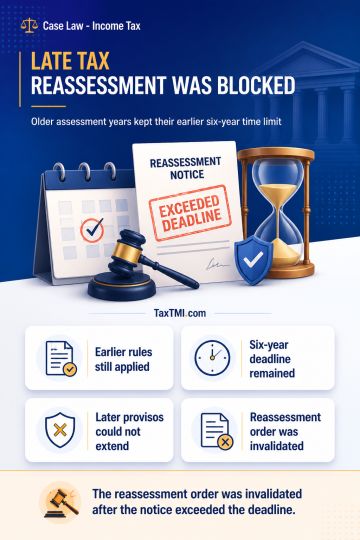
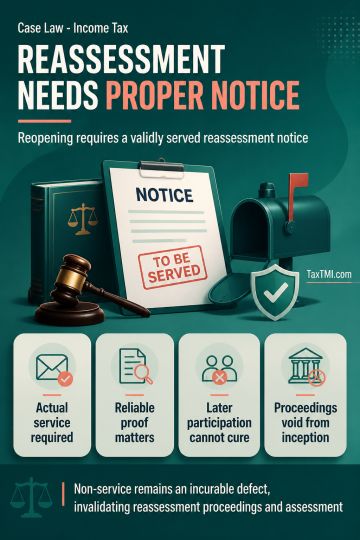
Pre-amendment reassessment limitation bars late notices under the preserved regime, invalidating consequential reassessment for affected earlier asses...
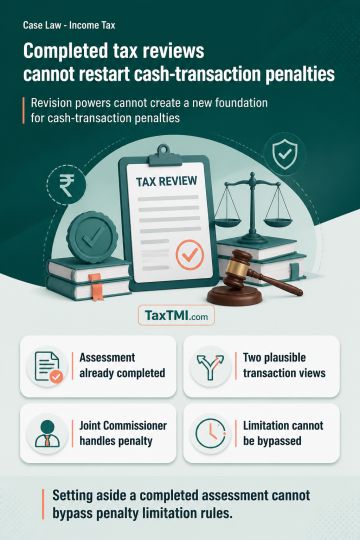
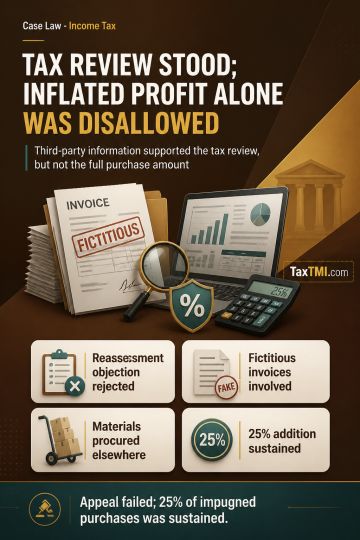
Cash-sales explanations for bank deposits require documentary reconciliation; reassessment notice survived where effective response time was available...
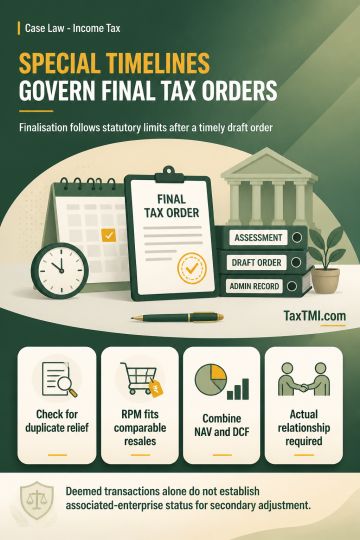
Functional comparability in transfer pricing prevents ad hoc arm's length adjustments where functions, assets, risks and reliable comparables are unes...
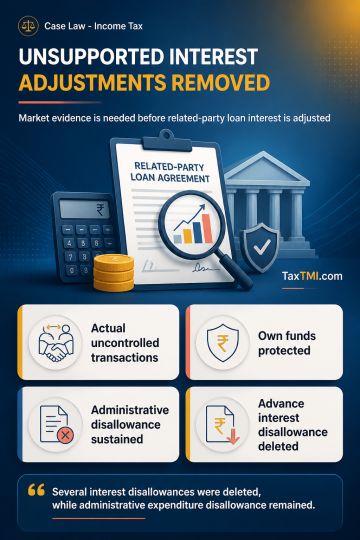
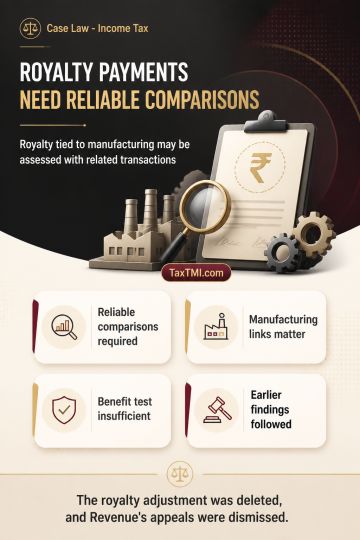
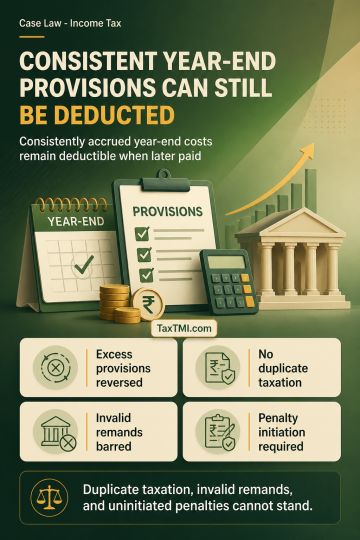
Contingency expenses, exempt-income disallowance, and royalty benchmarking: unsupported adjustments were deleted under consistent accounting and trans...
The HC held that since the entire tax liability was discharged through the electronic credit ledger before any intimation or show-cause notice, and there was no wilful mis-statement or suppression by the petitioner, the provisions of Sec. 74 of the GST Act are inapplicable. The petitioner's failure to offset the tax liability from the credit ledger was inadvertent and not indicative of fraud. Consequently, the HC directed the respondent AO to pass a fresh de novo order under Sec. 73 of the GST Act, after affording the petitioner an opportunity of hearing, within three months from receipt of the order. The petition was disposed of accordingly.
The HC held that since the entire tax liability was discharged through the electronic credit ledger before any intimation or show-cause notice, and there was no wilful mis-statement or suppression by the petitioner, the provisions of Sec. 74 of the GST Act are inapplicable. The petitioner's failure to offset the tax liability from the credit ledger was inadvertent and not indicative of fraud. Consequently, the HC directed the respondent AO to pass a fresh de novo order under Sec. 73 of the GST Act, after affording the petitioner an opportunity of hearing, within three months from receipt of the order. The petition was disposed of accordingly.
Note: It is a system-generated summary and is for quick reference only.
 TaxTMI
 TaxTMI

 of 4918