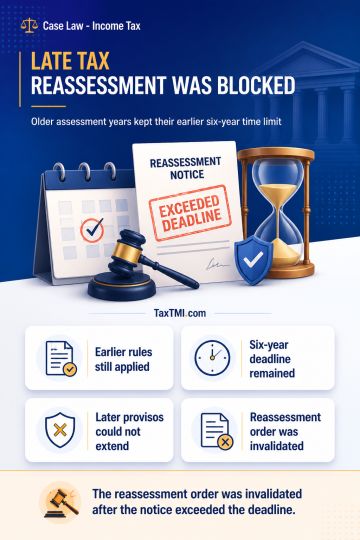
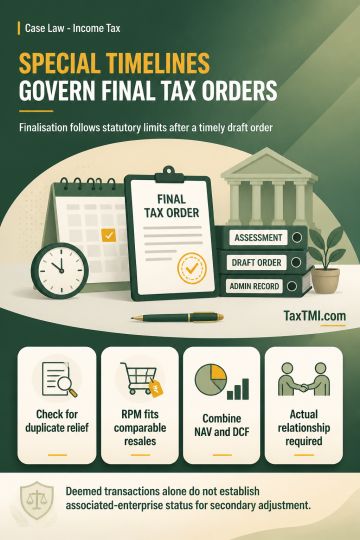
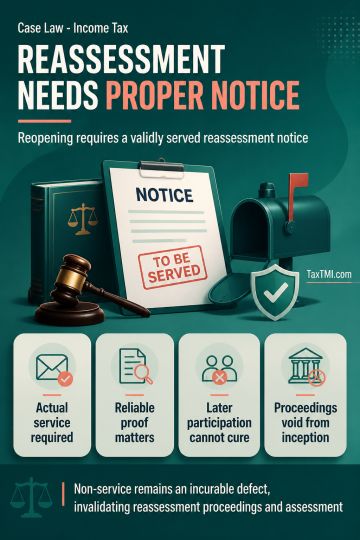
Pre-amendment reassessment limitation bars late notices under the preserved regime, invalidating consequential reassessment for affected earlier asses...
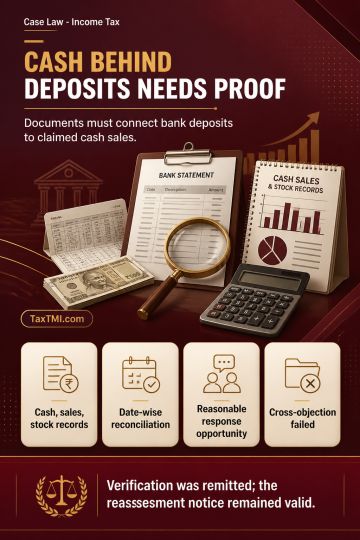
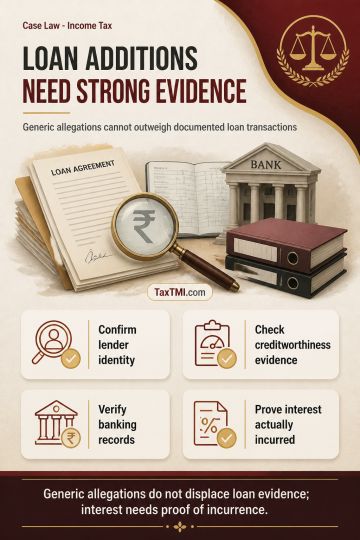
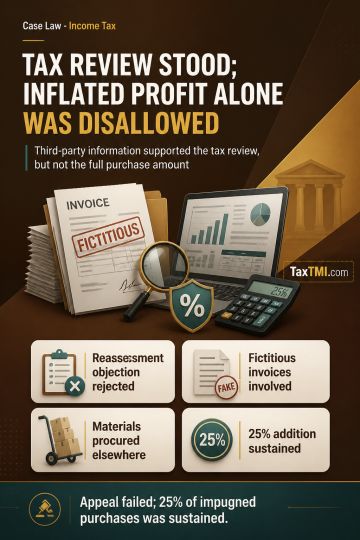
Cash-sales explanations for bank deposits require documentary reconciliation; reassessment notice survived where effective response time was available...
Functional comparability in transfer pricing prevents ad hoc arm's length adjustments where functions, assets, risks and reliable comparables are unes...
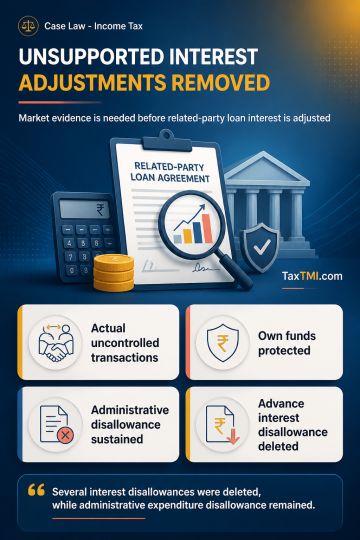
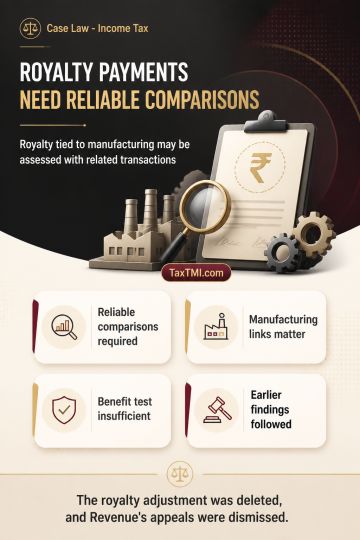
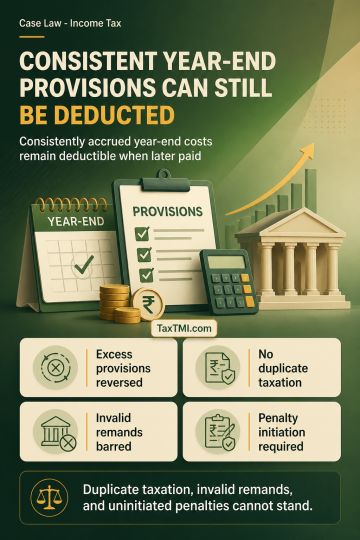
Contingency expenses, exempt-income disallowance, and royalty benchmarking: unsupported adjustments were deleted under consistent accounting and trans...
The HC dismissed the appeal, affirming the decree in favor of the plaintiff for recovery of the price of goods sold and delivered, along with damages. The appellants, defendants 6 and 7, were held liable for failing to exercise due diligence in verifying shipping documents, which were forged, and for breaching their fiduciary duties. Defendant 6 transported goods under an unauthorized name without plaintiff's consent, while defendant 7 acted beyond its authority by accepting such documents, thereby facilitating the breach of the Letter of Credit terms. Their conduct enabled the importer and negotiating bank to avoid liability, causing loss to the plaintiff. Despite arguments suggesting lack of direct involvement in fraud, the appellants were found culpable for their unauthorized actions resulting in plaintiff's financial loss. The court upheld the original judgment, requiring appellants to compensate the plaintiff accordingly.
The HC dismissed the appeal, affirming the decree in favor of the plaintiff for recovery of the price of goods sold and delivered, along with damages. The appellants, defendants 6 and 7, were held liable for failing to exercise due diligence in verifying shipping documents, which were forged, and for breaching their fiduciary duties. Defendant 6 transported goods under an unauthorized name without plaintiff's consent, while defendant 7 acted beyond its authority by accepting such documents, thereby facilitating the breach of the Letter of Credit terms. Their conduct enabled the importer and negotiating bank to avoid liability, causing loss to the plaintiff. Despite arguments suggesting lack of direct involvement in fraud, the appellants were found culpable for their unauthorized actions resulting in plaintiff's financial loss. The court upheld the original judgment, requiring appellants to compensate the plaintiff accordingly.
Note: It is a system-generated summary and is for quick reference only.
 TaxTMI
 TaxTMI

 of 4918