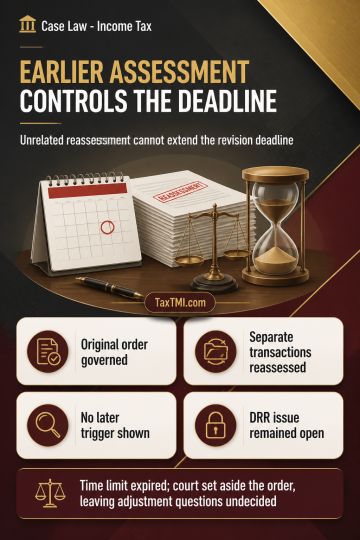
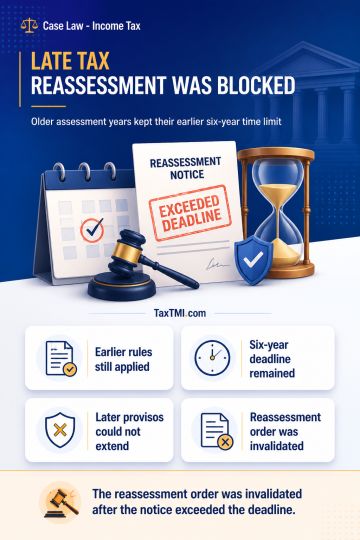
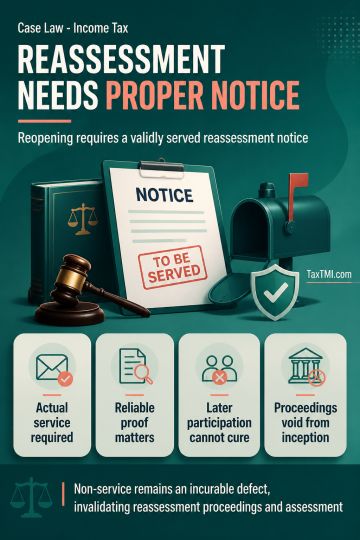
Pre-amendment reassessment limitation bars late notices under the preserved regime, invalidating consequential reassessment for affected earlier asses...
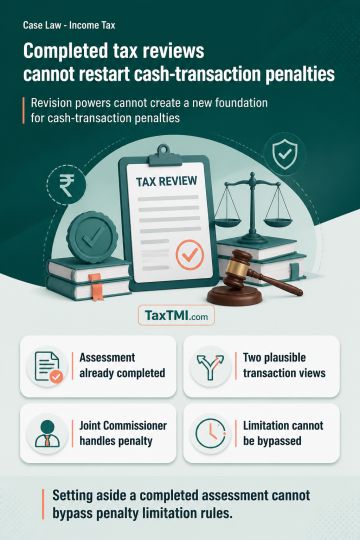
Cash-sales explanations for bank deposits require documentary reconciliation; reassessment notice survived where effective response time was available...
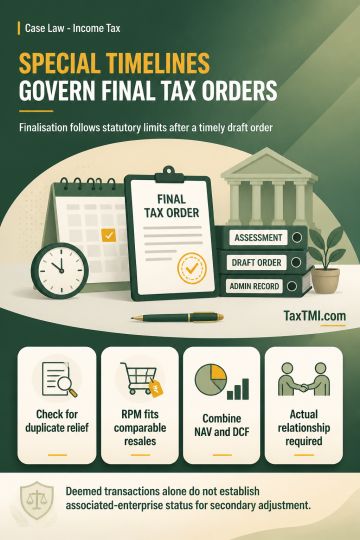
Functional comparability in transfer pricing prevents ad hoc arm's length adjustments where functions, assets, risks and reliable comparables are unes...
The HC set aside the penalty imposed under section 129(3) of the GST Act for non-filing of Part-B of the e-way bill, finding no intent to evade tax. The petitioner demonstrated that the omission was due to a technical glitch, a fact undisputed in the record. The Court relied on precedents affirming that mere non-filing of the e-way bill does not attract penalty absent a tax evasion intent. As no authority below recorded any finding of willful tax evasion, the penalty was unwarranted. Consequently, the petition was allowed, and the impugned order imposing the penalty was quashed.
The HC set aside the penalty imposed under section 129(3) of the GST Act for non-filing of Part-B of the e-way bill, finding no intent to evade tax. The petitioner demonstrated that the omission was due to a technical glitch, a fact undisputed in the record. The Court relied on precedents affirming that mere non-filing of the e-way bill does not attract penalty absent a tax evasion intent. As no authority below recorded any finding of willful tax evasion, the penalty was unwarranted. Consequently, the petition was allowed, and the impugned order imposing the penalty was quashed.
Note: It is a system-generated summary and is for quick reference only.
 TaxTMI
 TaxTMI

 of 4918