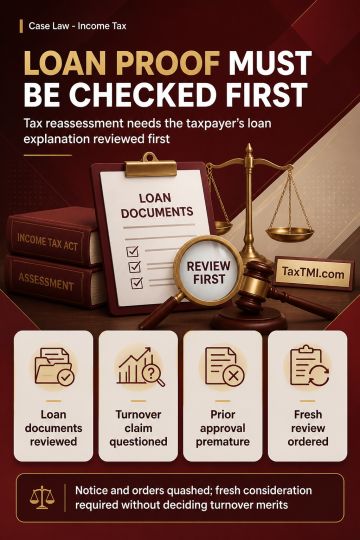
Opportunity to furnish unsecured-loan confirmations is required before reassessment initiation; proceedings require fresh consideration after taxpayer...
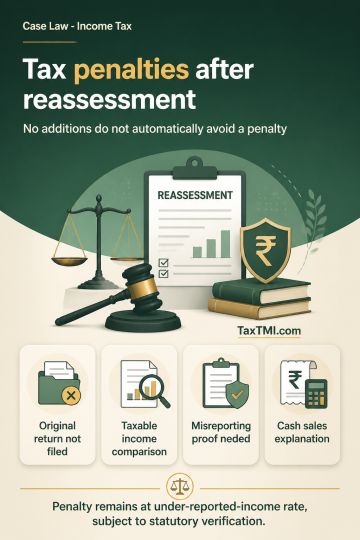
Under-reporting on a first reassessment return attracts penalty, while enhanced misreporting penalty requires proof of a statutory misreporting catego...
The ITAT held that the revisionary order passed by the PCIT under section 263 was unsustainable. The PCIT failed to make a conclusive finding that the additional depreciation claims on certain assets were wrongly allowed, and improperly directed the AO to disallow these claims without verification. The finding of erroneous depreciation on the residential building was flawed, as it disregarded binding judicial precedents favorable to the assessee. Regarding disallowance under section 14A, the PCIT usurped the AO's exclusive jurisdiction to record dissatisfaction with the assessee's explanation and could not direct disallowance under Rule 8D. The PCIT's attempt to reduce the written down value by carried forward additional depreciation before allowing current depreciation was contrary to statutory provisions and principles of statutory interpretation. The Tribunal concluded that the revision was a misuse of power, and accordingly allowed the assessee's appeal.
The ITAT held that the revisionary order passed by the PCIT under section 263 was unsustainable. The PCIT failed to make a conclusive finding that the additional depreciation claims on certain assets were wrongly allowed, and improperly directed the AO to disallow these claims without verification. The finding of erroneous depreciation on the residential building was flawed, as it disregarded binding judicial precedents favorable to the assessee. Regarding disallowance under section 14A, the PCIT usurped the AO's exclusive jurisdiction to record dissatisfaction with the assessee's explanation and could not direct disallowance under Rule 8D. The PCIT's attempt to reduce the written down value by carried forward additional depreciation before allowing current depreciation was contrary to statutory provisions and principles of statutory interpretation. The Tribunal concluded that the revision was a misuse of power, and accordingly allowed the assessee's appeal.
Note: It is a system-generated summary and is for quick reference only.
 TaxTMI
  TaxTMI
 of 4918