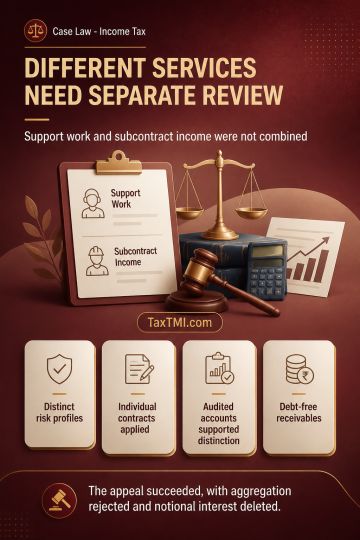
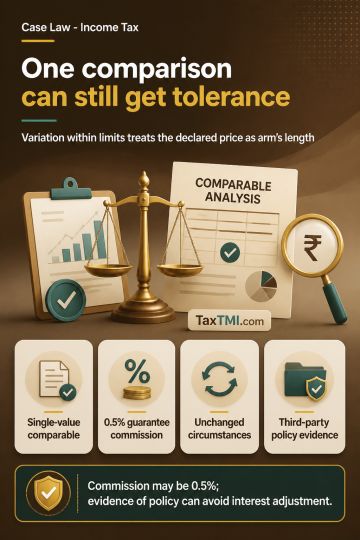
Transfer-pricing aggregation of distinct support-service and subcontract transactions was rejected, while debt-free receivables attracted no notional ...
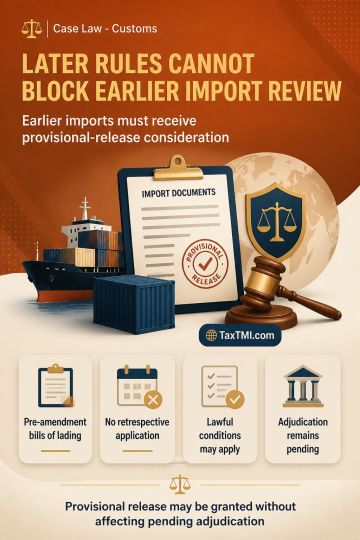
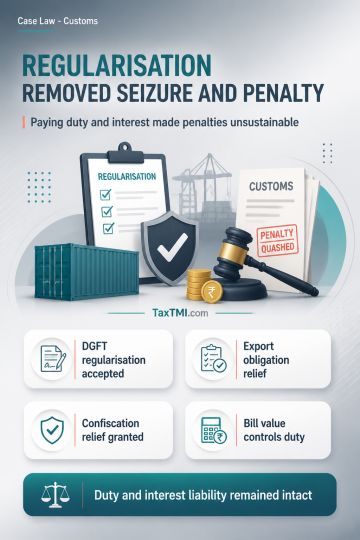
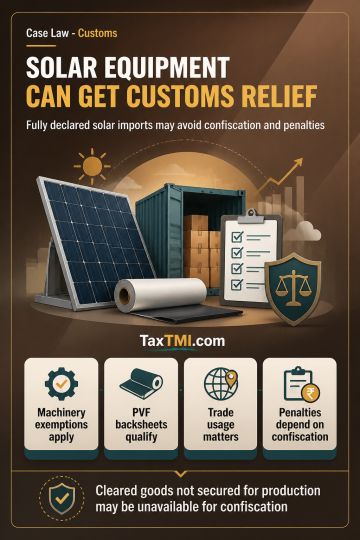
Customs exemptions cover photovoltaic assembly machinery and PVF backsheets, while fully declared cleared imports may avoid confiscation and penalties...
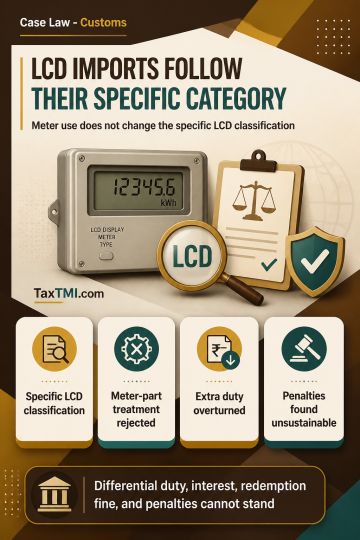
Specific tariff classification for LCD devices overrides treatment as electricity-meter parts, defeating differential duty, extended limitation, and p...
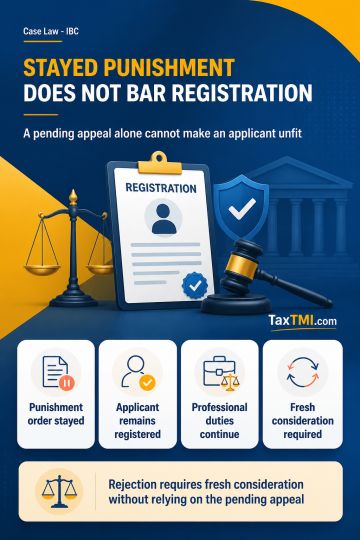
Stayed disciplinary punishment does not establish unfitness for insolvency professional registration; reconsideration must disregard mere pendency of ...
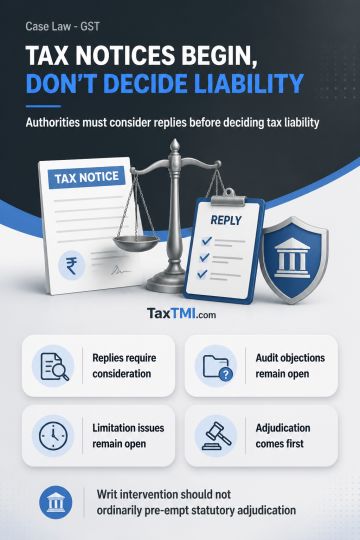
The HC held that the service of the order under section 73 of the WBGST/CGST Act, 2017 was proper, having been uploaded on the portal and communicated via email. Although the petitioner's explanation for preferring the appeal was not fully satisfactory, the court accepted the partial explanation and, considering the absence of a constituted appellate tribunal, directed the petitioner to deposit 10% of the disputed tax amount within three weeks, in addition to the amount already paid. Upon such deposit, the appellate authority was mandated to hear and decide the appeal on merits in accordance with law. Consequently, the HC set aside the appellate order dated 23 September 2024 and any consequential demand raised in Form GST APL-04, disposing of the petition accordingly.
The HC held that the service of the order under section 73 of the WBGST/CGST Act, 2017 was proper, having been uploaded on the portal and communicated via email. Although the petitioner's explanation for preferring the appeal was not fully satisfactory, the court accepted the partial explanation and, considering the absence of a constituted appellate tribunal, directed the petitioner to deposit 10% of the disputed tax amount within three weeks, in addition to the amount already paid. Upon such deposit, the appellate authority was mandated to hear and decide the appeal on merits in accordance with law. Consequently, the HC set aside the appellate order dated 23 September 2024 and any consequential demand raised in Form GST APL-04, disposing of the petition accordingly.
Note: It is a system-generated summary and is for quick reference only.
 TaxTMI
  TaxTMI
 of 4884