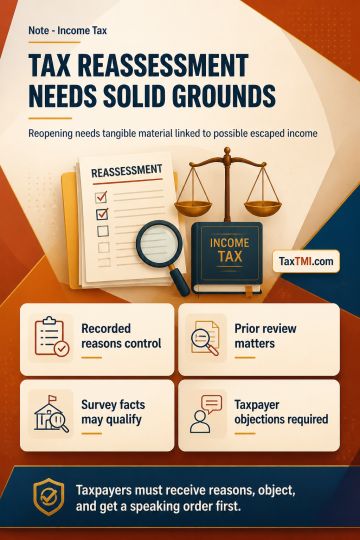
Opportunity to furnish unsecured-loan confirmations is required before reassessment initiation; proceedings require fresh consideration after taxpayer...
The ITAT held that in transfer pricing comparability analysis, rigid application of an upper turnover filter is not mandatory and must be determined based on case-specific facts, including the turnover of the tested party. The tribunal emphasized that turnover filters aim to ensure comparability by selecting entities with broadly similar economic profiles, but fixed thresholds are inappropriate. The inclusion of a comparable lacking the requisite export turnover was directed to be reconsidered and excluded if it fails the 75% export turnover criterion. Regarding interest on overdue receivables from associated enterprises, the ITAT found that invoices due after the relevant financial year cannot attract interest adjustments for that year and ordered deletion of such adjustments. Consequently, the adjustments made on account of higher turnover comparables and interest on outstanding receivables were partially set aside and remanded for appropriate reconsideration in accordance with these findings.
The ITAT held that in transfer pricing comparability analysis, rigid application of an upper turnover filter is not mandatory and must be determined based on case-specific facts, including the turnover of the tested party. The tribunal emphasized that turnover filters aim to ensure comparability by selecting entities with broadly similar economic profiles, but fixed thresholds are inappropriate. The inclusion of a comparable lacking the requisite export turnover was directed to be reconsidered and excluded if it fails the 75% export turnover criterion. Regarding interest on overdue receivables from associated enterprises, the ITAT found that invoices due after the relevant financial year cannot attract interest adjustments for that year and ordered deletion of such adjustments. Consequently, the adjustments made on account of higher turnover comparables and interest on outstanding receivables were partially set aside and remanded for appropriate reconsideration in accordance with these findings.
Note: It is a system-generated summary and is for quick reference only.
 TaxTMI
  TaxTMI
 of 4918