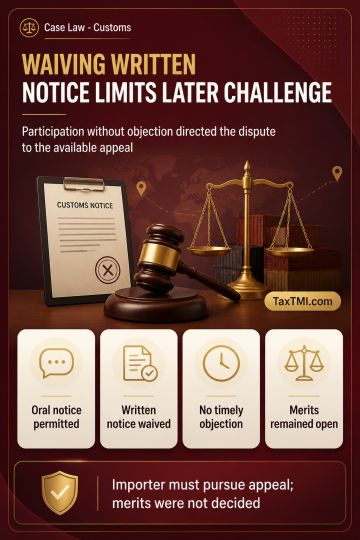
Waiver of written show-cause notice may prevent a later procedural challenge after participation in customs adjudication, preserving statutory appella...
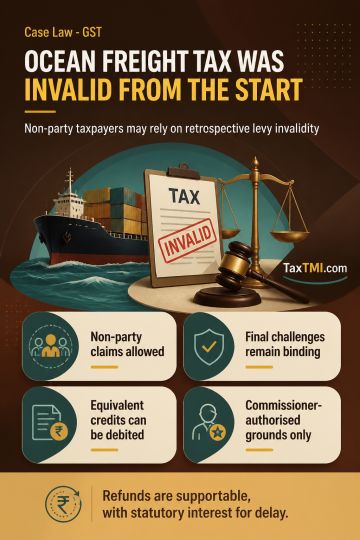
Retrospective invalidity of ocean-freight IGST supports refunds despite non-party status and prior credit utilisation, subject to authorised appeal gr...
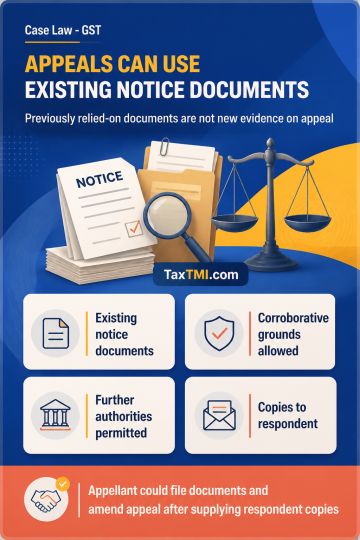
Additional evidence in departmental appeals may include show-cause-notice material without introducing a new case where it merely corroborates existin...
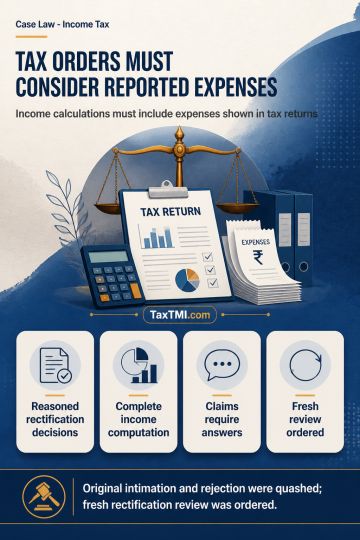
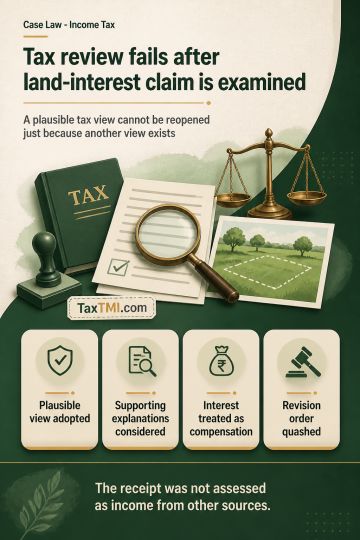
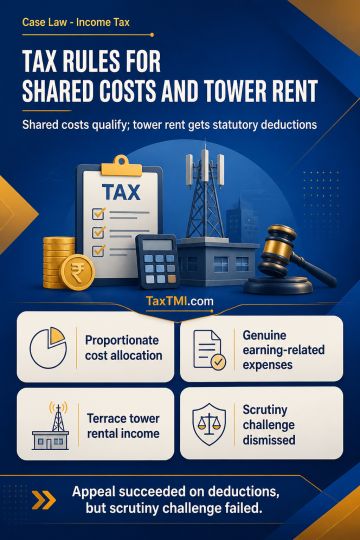
Reasoned rectification orders require consideration of expenditure disclosed in income-tax returns, preventing revision based on incomplete income com...
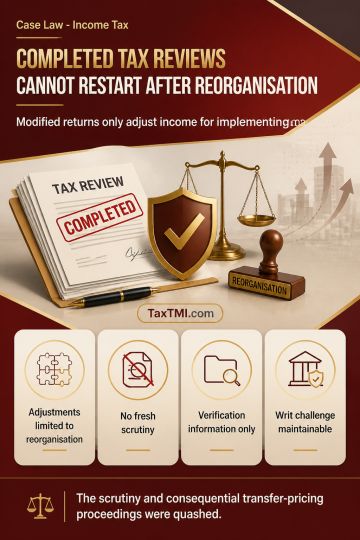
Modified returns after business reorganisations cannot trigger fresh scrutiny once the original assessment was complete, invalidating related transfer...
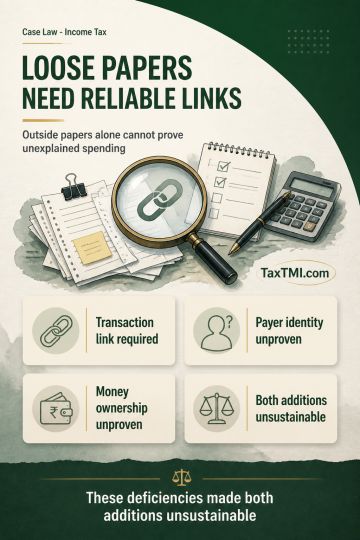
Third-party loose sheets require reliable nexus before supporting unexplained expenditure additions; presumptions do not establish payer identity or o...
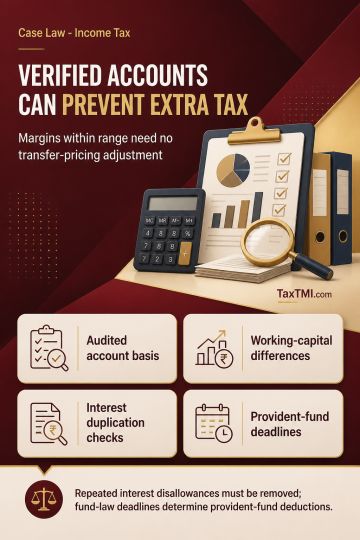
TNMM comparability using audited accounts and working-capital adjustments can eliminate unwarranted transfer-pricing additions where verified margins ...
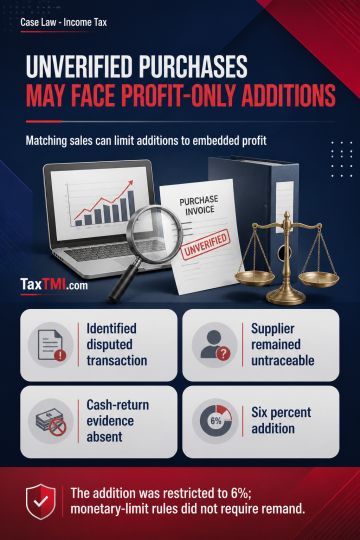
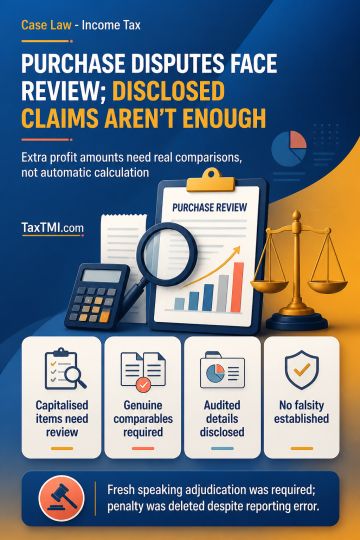
Gross-profit additions on disputed purchases require reasoned appellate determination; disclosed claims alone do not support inaccurate-particulars pe...
Page of 4891
Press 'Enter' after typing page number.
21 to 40 of 97814 Results
❮
❯
❯❯
0 / 200
Expand Note
Add to Folder
No Folders have been created
+
Are you sure you want to delete "My most important" ?
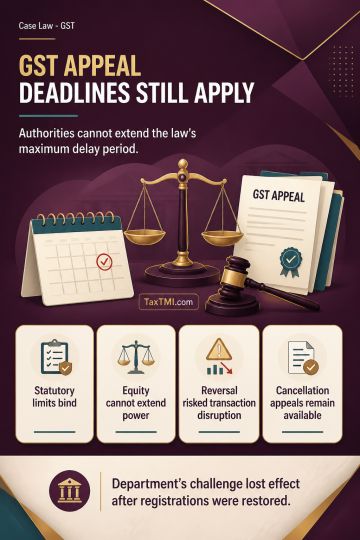
The HC upheld the dismissal of the appeal filed three years and twenty days beyond the prescribed limitation period, affirming that the appellate authority's power to condone delay is strictly limited to thirty days. The court relied on established precedents interpreting analogous statutory provisions, emphasizing that no residual discretion exists to extend limitation beyond the specified period under the relevant Acts. Consequently, the writ petition challenging the order was dismissed, reinforcing the principle that courts and tribunals cannot entertain appeals filed beyond the statutory time frame except within narrowly prescribed limits.
The HC upheld the dismissal of the appeal filed three years and twenty days beyond the prescribed limitation period, affirming that the appellate authority's power to condone delay is strictly limited to thirty days. The court relied on established precedents interpreting analogous statutory provisions, emphasizing that no residual discretion exists to extend limitation beyond the specified period under the relevant Acts. Consequently, the writ petition challenging the order was dismissed, reinforcing the principle that courts and tribunals cannot entertain appeals filed beyond the statutory time frame except within narrowly prescribed limits.
Note: It is a system-generated summary and is for quick reference only.
 TaxTMI
  TaxTMI
 of 4891