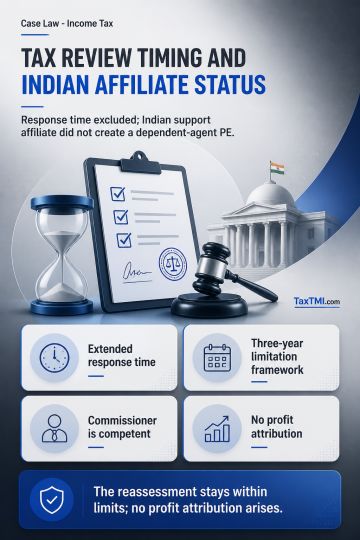
Supervisory permanent establishment requires project-wise duration and qualifying construction nexus; offshore supplies and salary reimbursements rema...
The AT dismissed all appeals challenging the provisional attachment orders under the Prevention of Money Laundering Act. The appellants failed to satisfactorily disclose legitimate sources for the funds used to acquire properties or repay loans, with statements under Section 50(2) of the Act corroborating the involvement of proceeds of crime. The tribunal found that the properties and transactions were part of layering operations orchestrated by the main accused to conceal illicit funds. Despite claims of gifts and income, appellants could not provide adequate documentary evidence or credible explanations to rebut the attachment. The respondent's actions in attaching properties and bank accounts linked to the accused and their relatives were held to be justified. No interference was warranted with the provisional attachment orders, as the material on record supported the conclusion that the assets were proceeds of crime.
The AT dismissed all appeals challenging the provisional attachment orders under the Prevention of Money Laundering Act. The appellants failed to satisfactorily disclose legitimate sources for the funds used to acquire properties or repay loans, with statements under Section 50(2) of the Act corroborating the involvement of proceeds of crime. The tribunal found that the properties and transactions were part of layering operations orchestrated by the main accused to conceal illicit funds. Despite claims of gifts and income, appellants could not provide adequate documentary evidence or credible explanations to rebut the attachment. The respondent's actions in attaching properties and bank accounts linked to the accused and their relatives were held to be justified. No interference was warranted with the provisional attachment orders, as the material on record supported the conclusion that the assets were proceeds of crime.
Note: It is a system-generated summary and is for quick reference only.
 TaxTMI
  TaxTMI
 of 4881