Natural justice and pre-CIRP labour awards protect termination compensation, permitting withdrawal of court deposits despite later insolvency resoluti...
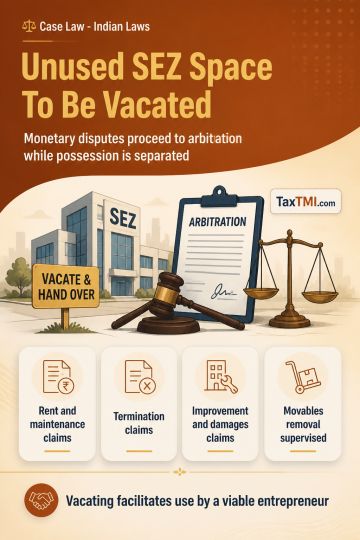
Arbitration of SEZ sub-lease monetary claims preserves rent, maintenance, termination, improvements and damages disputes while unused premises are vac...
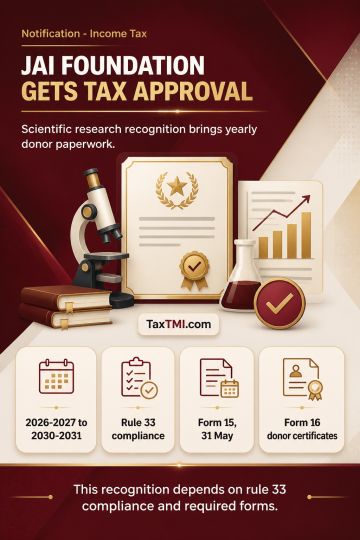
Scientific research approval grants a research association tax recognition, subject to annual donor reporting, certification, and regulatory complianc...
The HC held that the application under Section 319 Cr.P.C. to implead Applicants 2 to 4 as accused alongside accused No. 1-firm was without jurisdiction due to the absence of prior sanction mandated by Section 279 of the Income Tax Act. The court emphasized that mandatory sanction is a prerequisite even under Section 319 Cr.P.C. The evidence did not establish that Applicants 2 to 4 were responsible for the firm's conduct or that the offence was committed with their consent, connivance, or negligence as required under Section 278B of the Income Tax Act. Furthermore, the knowledge of their partnership was not newly discovered evidence. Consequently, the Sessions Judge erred in allowing the application, and the revision petition was allowed, quashing and setting aside the order impleading Applicants 2 to 4 as accused.
The HC held that the application under Section 319 Cr.P.C. to implead Applicants 2 to 4 as accused alongside accused No. 1-firm was without jurisdiction due to the absence of prior sanction mandated by Section 279 of the Income Tax Act. The court emphasized that mandatory sanction is a prerequisite even under Section 319 Cr.P.C. The evidence did not establish that Applicants 2 to 4 were responsible for the firm's conduct or that the offence was committed with their consent, connivance, or negligence as required under Section 278B of the Income Tax Act. Furthermore, the knowledge of their partnership was not newly discovered evidence. Consequently, the Sessions Judge erred in allowing the application, and the revision petition was allowed, quashing and setting aside the order impleading Applicants 2 to 4 as accused.
Note: It is a system-generated summary and is for quick reference only.
 TaxTMI
  TaxTMI
 of 4888