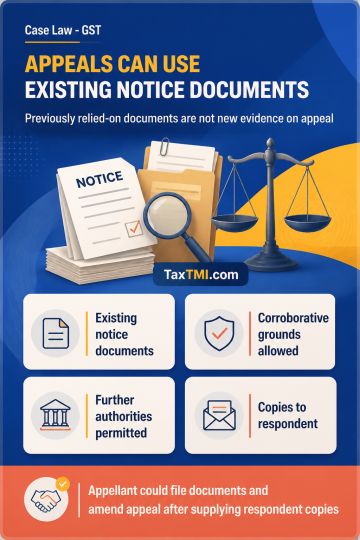
Additional evidence in departmental appeals may include show-cause-notice material without introducing a new case where it merely corroborates existin...
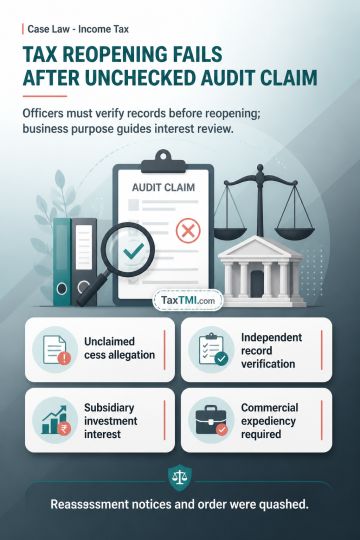
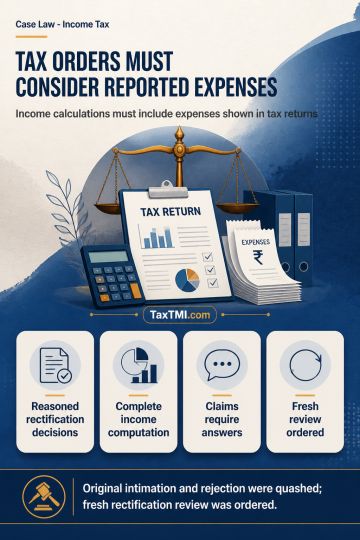
Reasoned rectification orders require consideration of expenditure disclosed in income-tax returns, preventing revision based on incomplete income com...
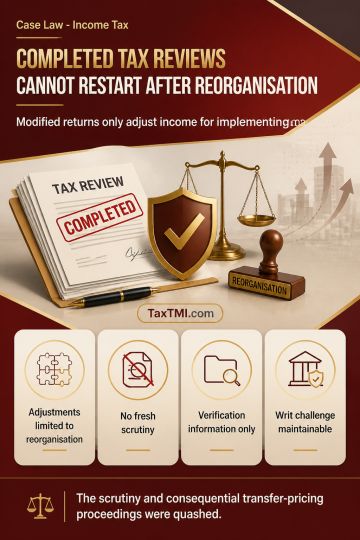
Modified returns after business reorganisations cannot trigger fresh scrutiny once the original assessment was complete, invalidating related transfer...
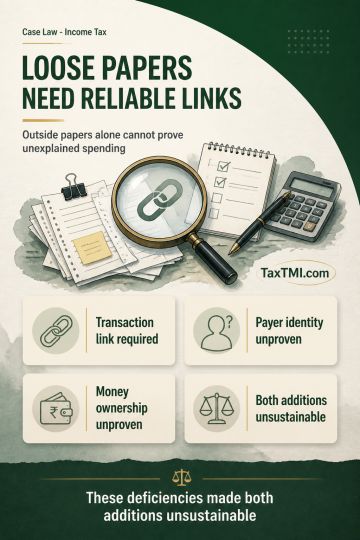
Third-party loose sheets require reliable nexus before supporting unexplained expenditure additions; presumptions do not establish payer identity or o...
TNMM comparability using audited accounts and working-capital adjustments can eliminate unwarranted transfer-pricing additions where verified margins ...
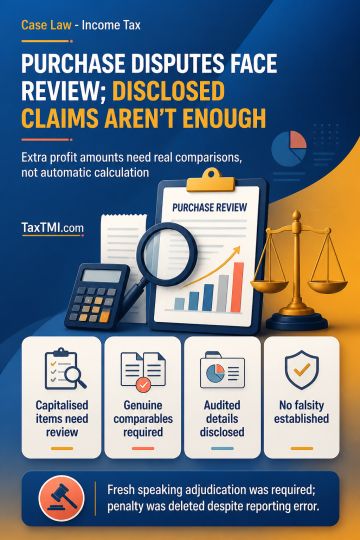
Gross-profit additions on disputed purchases require reasoned appellate determination; disclosed claims alone do not support inaccurate-particulars pe...
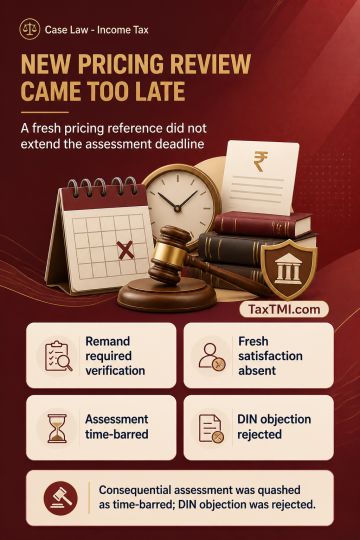
Limitation after transfer-pricing remand: fresh TPO reference did not extend the assessment deadline, rendering the consequential assessment time-barr...
Interim judicial restraint on tax deduction prevents default, while supporting reasonable cause and penalty deletion for foreign-leg LFC reimbursement...
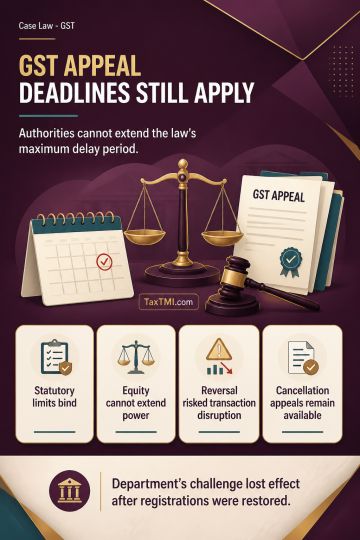
The HC dismissed the writ petition on grounds of inordinate delay exceeding three years from the assessment order. The petitioner conceded receipt of the show cause notice via the common GST portal, confirming knowledge of proceedings under Section 74 of the GST Act. The Court emphasized that under Section 107, the appellate authority may condone delay only up to thirty days beyond the prescribed period. Since the petition was filed well beyond this condonable period, it was held to be non-maintainable. Furthermore, service of notice through the GST portal was deemed valid under Section 169 of the GST Act, negating any claim of non-service. Consequently, the writ petition was dismissed for being barred by delay and failure to comply with statutory timelines.
The HC dismissed the writ petition on grounds of inordinate delay exceeding three years from the assessment order. The petitioner conceded receipt of the show cause notice via the common GST portal, confirming knowledge of proceedings under Section 74 of the GST Act. The Court emphasized that under Section 107, the appellate authority may condone delay only up to thirty days beyond the prescribed period. Since the petition was filed well beyond this condonable period, it was held to be non-maintainable. Furthermore, service of notice through the GST portal was deemed valid under Section 169 of the GST Act, negating any claim of non-service. Consequently, the writ petition was dismissed for being barred by delay and failure to comply with statutory timelines.
Note: It is a system-generated summary and is for quick reference only.
 TaxTMI
  TaxTMI
 of 4894