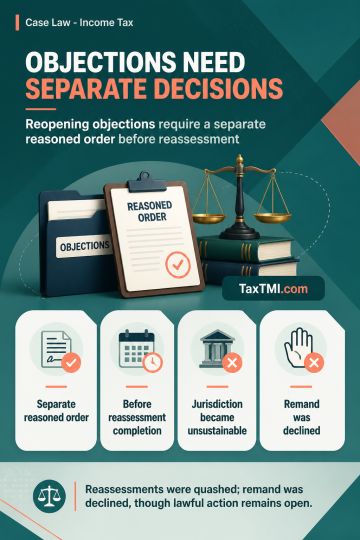
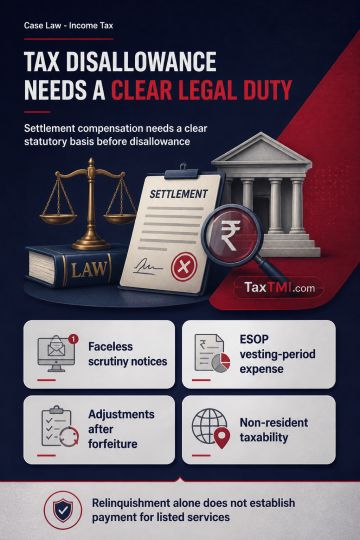
Separate speaking orders on reopening objections are mandatory; deciding them within reassessment invalidates jurisdiction and precludes revival of st...
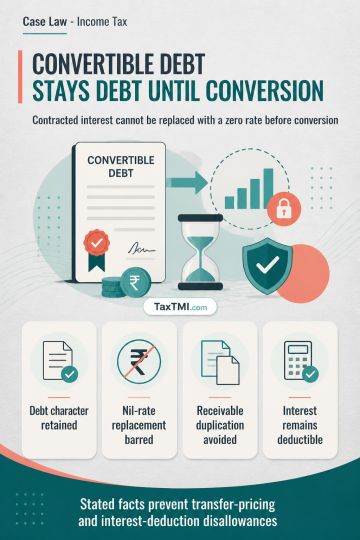
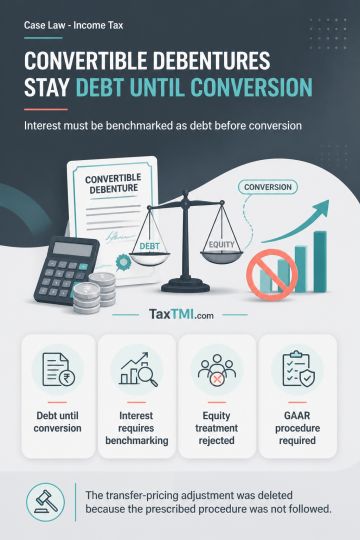
Compulsorily convertible debentures remain debt before conversion, preventing transfer-pricing and interest-deduction disallowances on the stated fact...
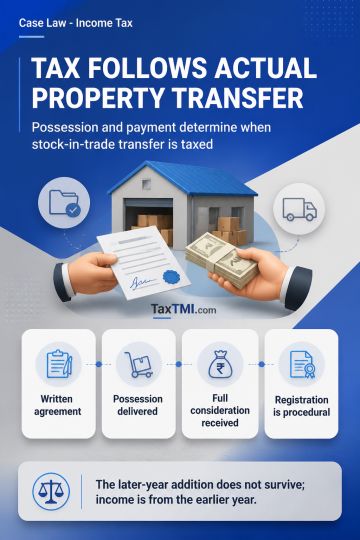
Stock-in-trade transfer taxability follows possession and consideration, not later conveyance registration, limiting deemed-value provisions to the ac...
The HC held that the appellate authority is empowered under Rule 112(4) of the WBGST/CGST Rules, 2017, to admit additional evidence, including documents and witness examination, despite the restrictions in sub-rule (1). The appellate authority's failure to consider this jurisdiction rendered its order mechanical and unsatisfactory. Consequently, the matter was remanded with directions for the appellate authority to allow the petitioner to adduce additional evidence, specifically a certificate dated 10 August 2024 issued by respondent no.6. The writ petition was disposed of accordingly by way of remand.
The HC held that the appellate authority is empowered under Rule 112(4) of the WBGST/CGST Rules, 2017, to admit additional evidence, including documents and witness examination, despite the restrictions in sub-rule (1). The appellate authority's failure to consider this jurisdiction rendered its order mechanical and unsatisfactory. Consequently, the matter was remanded with directions for the appellate authority to allow the petitioner to adduce additional evidence, specifically a certificate dated 10 August 2024 issued by respondent no.6. The writ petition was disposed of accordingly by way of remand.
Note: It is a system-generated summary and is for quick reference only.
 TaxTMI
  TaxTMI
 of 4897