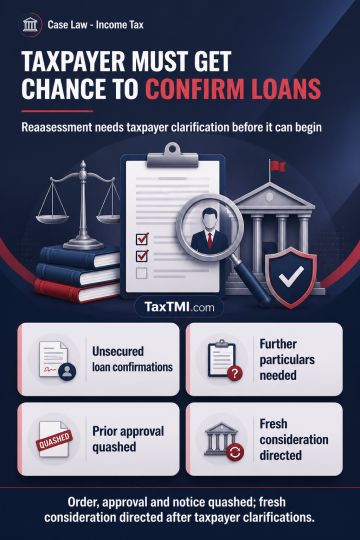
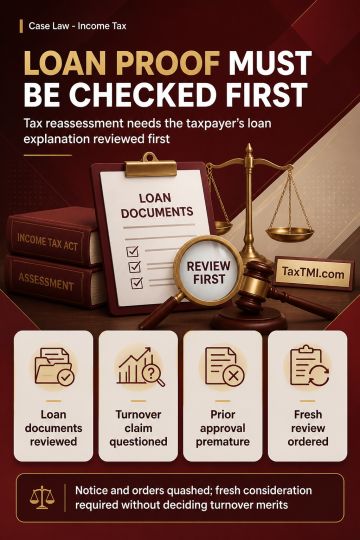
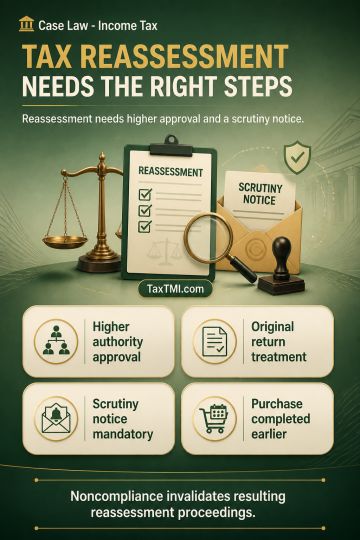
Opportunity to furnish unsecured-loan confirmations is required before reassessment initiation; proceedings require fresh consideration after taxpayer...
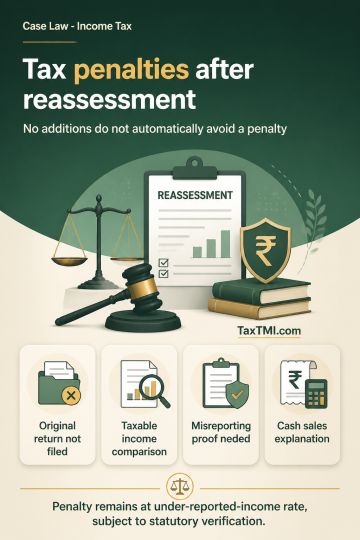
Under-reporting on a first reassessment return attracts penalty, while enhanced misreporting penalty requires proof of a statutory misreporting catego...
The ITAT upheld the CIT(A)'s order, dismissing the Revenue's appeal against the AO's addition on account of bogus purchases. While the AO added 25% of turnover as gross profit, the CIT(A) restricted the addition to 2.46%, reflecting the assessee's declared average gross profit over AYs 2020-21 to 2022-23. The Tribunal found that despite the purchases being non-genuine, the declared sales were undisputed and necessary to achieve turnover. Considering precedents where additions for bogus purchases approximate 5% GP, the CIT(A)'s imposition of 2.46% addition was reasonable and proportionate. Consequently, the ITAT affirmed the CIT(A)'s findings and dismissed the Revenue's appeal, confirming the limited addition to the assessee's income under the impugned assessment years.
The ITAT upheld the CIT(A)'s order, dismissing the Revenue's appeal against the AO's addition on account of bogus purchases. While the AO added 25% of turnover as gross profit, the CIT(A) restricted the addition to 2.46%, reflecting the assessee's declared average gross profit over AYs 2020-21 to 2022-23. The Tribunal found that despite the purchases being non-genuine, the declared sales were undisputed and necessary to achieve turnover. Considering precedents where additions for bogus purchases approximate 5% GP, the CIT(A)'s imposition of 2.46% addition was reasonable and proportionate. Consequently, the ITAT affirmed the CIT(A)'s findings and dismissed the Revenue's appeal, confirming the limited addition to the assessee's income under the impugned assessment years.
Note: It is a system-generated summary and is for quick reference only.
 TaxTMI
  TaxTMI
 of 4915