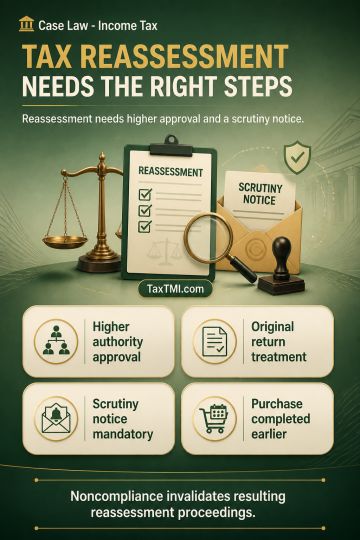
Opportunity to furnish unsecured-loan confirmations is required before reassessment initiation; proceedings require fresh consideration after taxpayer...
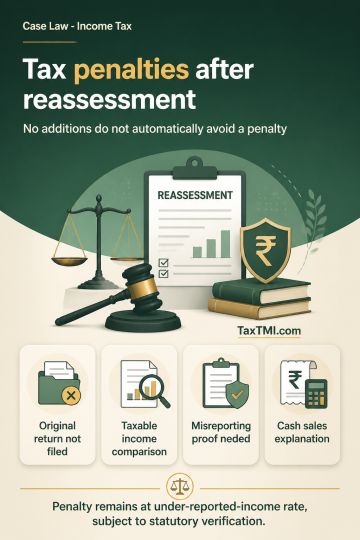
Under-reporting on a first reassessment return attracts penalty, while enhanced misreporting penalty requires proof of a statutory misreporting catego...
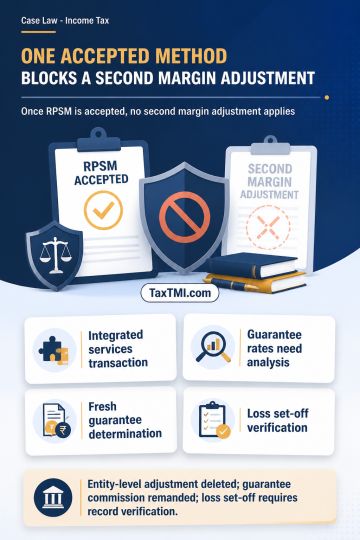
Form 26AS evidence requires successor-entity accounting verification after business transfer, while invoice-supported related-party advertising expend...
The ITAT upheld the CIT(A)'s decision rejecting the assessee's claim for refund of excess DDT paid under section 115-O, holding that the rate prescribed therein applies irrespective of the DTAA provisions. The Tribunal relied on the Special Bench ruling in Total Oil India Pvt. Ltd., which clarified that DDT is a tax on the domestic company paying dividends, not on the non-resident shareholder, and thus DTAA protections do not apply to reduce the DDT rate. The ITAT noted that the issue of DDT rates under DTAA versus section 115-O is pending before the Delhi High Court but, until a ruling is made, the Special Bench decision is binding. Consequently, the appeal was dismissed, and the CIT(A)'s order sustaining the higher DDT liability was affirmed.
The ITAT upheld the CIT(A)'s decision rejecting the assessee's claim for refund of excess DDT paid under section 115-O, holding that the rate prescribed therein applies irrespective of the DTAA provisions. The Tribunal relied on the Special Bench ruling in Total Oil India Pvt. Ltd., which clarified that DDT is a tax on the domestic company paying dividends, not on the non-resident shareholder, and thus DTAA protections do not apply to reduce the DDT rate. The ITAT noted that the issue of DDT rates under DTAA versus section 115-O is pending before the Delhi High Court but, until a ruling is made, the Special Bench decision is binding. Consequently, the appeal was dismissed, and the CIT(A)'s order sustaining the higher DDT liability was affirmed.
Note: It is a system-generated summary and is for quick reference only.
 TaxTMI
  TaxTMI
 of 4920