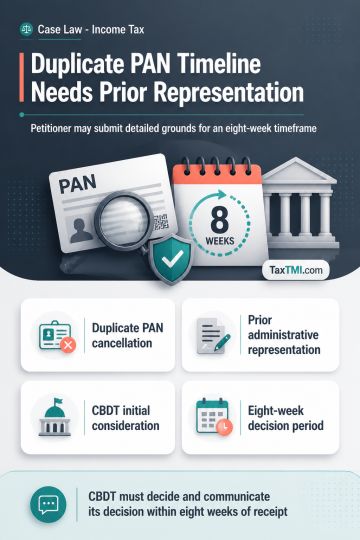
Duplicate PAN cancellation timeframe requires prior administrative representation before judicial intervention, ensuring a time-bound decision on the ...
Natural justice and pre-CIRP labour awards protect termination compensation, permitting withdrawal of court deposits despite later insolvency resoluti...
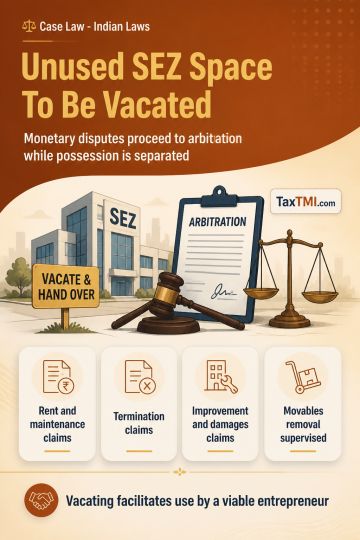
Arbitration of SEZ sub-lease monetary claims preserves rent, maintenance, termination, improvements and damages disputes while unused premises are vac...
Scientific research approval grants a research association tax recognition, subject to annual donor reporting, certification, and regulatory complianc...
The AT held that civil courts and the tribunal lack jurisdiction to determine cultivation rights, which fall exclusively within the revenue courts' purview. The appellants had transferred cultivation rights via sub-leases to third parties, thereby forfeiting any right to repossess those rights. Additionally, as the appellants were not recorded owners in revenue records, they possessed no authority to evict the sub-lessees for alleged breaches under the Tamil Nadu Cultivating Tenants (Payment of Fair Rent) Act, 1956. Consequently, the appellants lacked locus standi to challenge the sub-lessees' rights. The appeals were dismissed on these grounds.
The AT held that civil courts and the tribunal lack jurisdiction to determine cultivation rights, which fall exclusively within the revenue courts' purview. The appellants had transferred cultivation rights via sub-leases to third parties, thereby forfeiting any right to repossess those rights. Additionally, as the appellants were not recorded owners in revenue records, they possessed no authority to evict the sub-lessees for alleged breaches under the Tamil Nadu Cultivating Tenants (Payment of Fair Rent) Act, 1956. Consequently, the appellants lacked locus standi to challenge the sub-lessees' rights. The appeals were dismissed on these grounds.
Note: It is a system-generated summary and is for quick reference only.
 TaxTMI
  TaxTMI
 of 4888