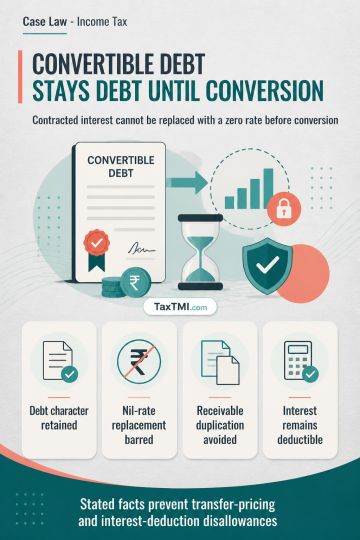
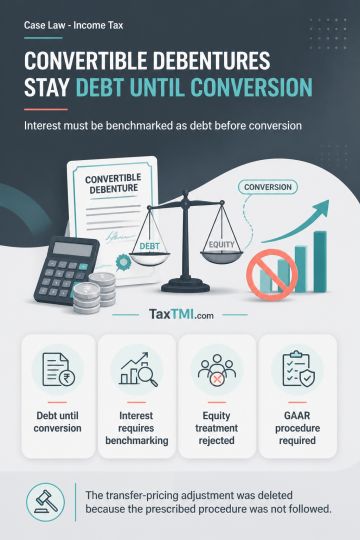
Compulsorily convertible debentures remain debt before conversion, preventing transfer-pricing and interest-deduction disallowances on the stated fact...
Stock-in-trade transfer taxability follows possession and consideration, not later conveyance registration, limiting deemed-value provisions to the ac...
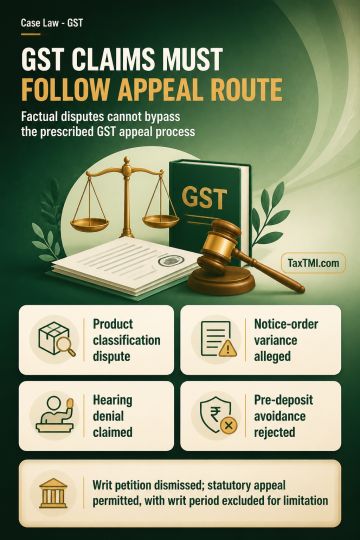
Alternative statutory remedy under GST bars writ challenge where classification, notice variance, and hearing disputes require factual appellate revie...
The AT held that civil courts and the tribunal lack jurisdiction to determine cultivation rights, which fall exclusively within the revenue courts' purview. The appellants had transferred cultivation rights via sub-leases to third parties, thereby forfeiting any right to repossess those rights. Additionally, as the appellants were not recorded owners in revenue records, they possessed no authority to evict the sub-lessees for alleged breaches under the Tamil Nadu Cultivating Tenants (Payment of Fair Rent) Act, 1956. Consequently, the appellants lacked locus standi to challenge the sub-lessees' rights. The appeals were dismissed on these grounds.
The AT held that civil courts and the tribunal lack jurisdiction to determine cultivation rights, which fall exclusively within the revenue courts' purview. The appellants had transferred cultivation rights via sub-leases to third parties, thereby forfeiting any right to repossess those rights. Additionally, as the appellants were not recorded owners in revenue records, they possessed no authority to evict the sub-lessees for alleged breaches under the Tamil Nadu Cultivating Tenants (Payment of Fair Rent) Act, 1956. Consequently, the appellants lacked locus standi to challenge the sub-lessees' rights. The appeals were dismissed on these grounds.
Note: It is a system-generated summary and is for quick reference only.
 TaxTMI
  TaxTMI
 of 4886