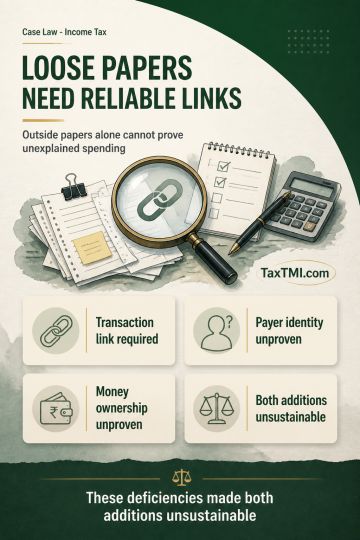
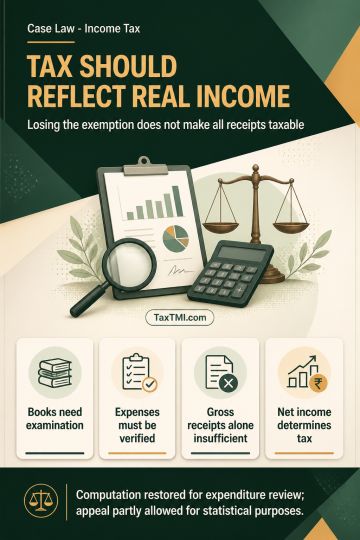
Third-party loose sheets require reliable nexus before supporting unexplained expenditure additions; presumptions do not establish payer identity or o...
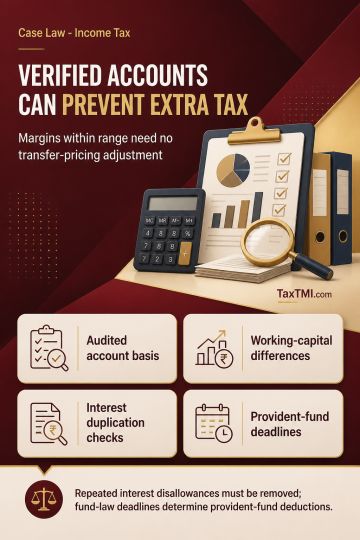
TNMM comparability using audited accounts and working-capital adjustments can eliminate unwarranted transfer-pricing additions where verified margins ...
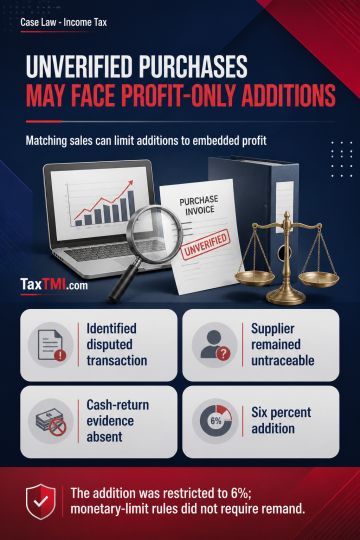
Gross-profit additions on disputed purchases require reasoned appellate determination; disclosed claims alone do not support inaccurate-particulars pe...
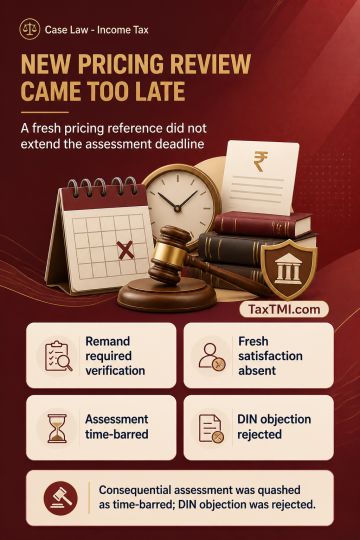
Limitation after transfer-pricing remand: fresh TPO reference did not extend the assessment deadline, rendering the consequential assessment time-barr...
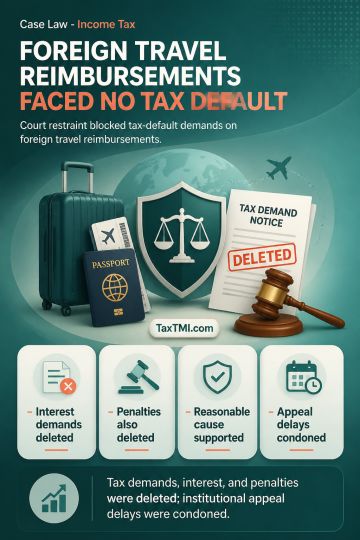
Interim judicial restraint on tax deduction prevents default, while supporting reasonable cause and penalty deletion for foreign-leg LFC reimbursement...
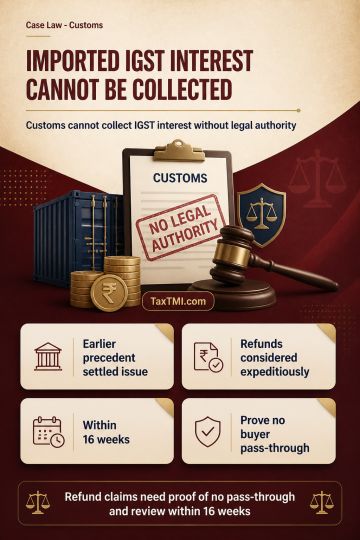
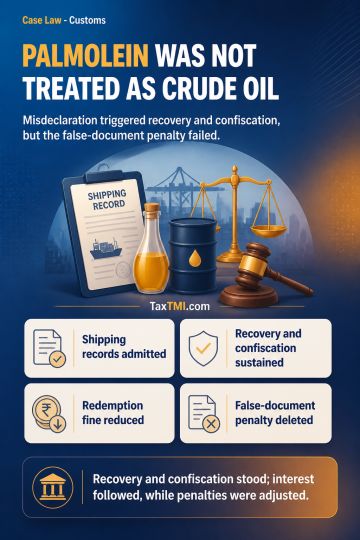
Palmolein classification defeated the crude-oil concession; material misdeclaration sustained recovery and confiscation, while separate false-document...
The CESTAT allowed the appeal, holding that where an assessee clears goods both to sister units and independent third-party buyers, the assessable value for related party transfers must be the transaction value, not costing plus profit margin under Rule 8 of the Central Excise Valuation Rules, 2000. The tribunal found the appellant's clearances to unrelated parties substantiated, negating the applicability of cost-based valuation. Additionally, the confirmed demand arising from a debit note lacked corroborative evidence of receipt and was set aside. The demand was also barred by limitation, as the department failed to prove suppression despite timely statutory returns reflecting declared values. Consequently, all confirmed demands, including those based on time limitation grounds, were quashed, affirming the appellant's valuation methodology and negating the department's claims.
The CESTAT allowed the appeal, holding that where an assessee clears goods both to sister units and independent third-party buyers, the assessable value for related party transfers must be the transaction value, not costing plus profit margin under Rule 8 of the Central Excise Valuation Rules, 2000. The tribunal found the appellant's clearances to unrelated parties substantiated, negating the applicability of cost-based valuation. Additionally, the confirmed demand arising from a debit note lacked corroborative evidence of receipt and was set aside. The demand was also barred by limitation, as the department failed to prove suppression despite timely statutory returns reflecting declared values. Consequently, all confirmed demands, including those based on time limitation grounds, were quashed, affirming the appellant's valuation methodology and negating the department's claims.
Note: It is a system-generated summary and is for quick reference only.
 TaxTMI
  TaxTMI
 of 4891