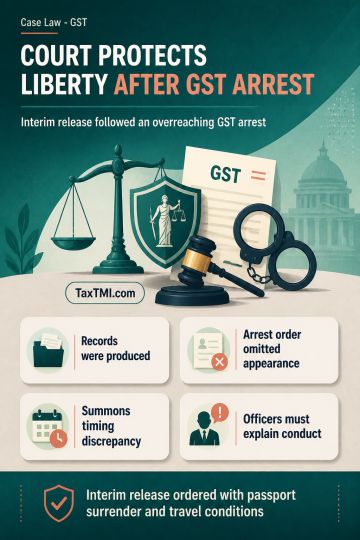
Personal liberty safeguards restrict arrest after court-directed GST appearance, requiring interim release where authorities overreach pending proceed...
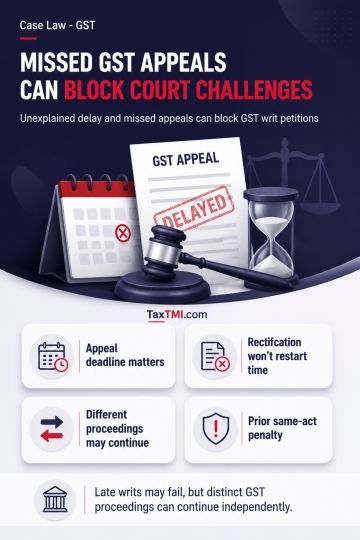
Alternative statutory remedy and delay bar GST writ challenges despite pending rectification, while distinct subject matter permits parallel proceedin...
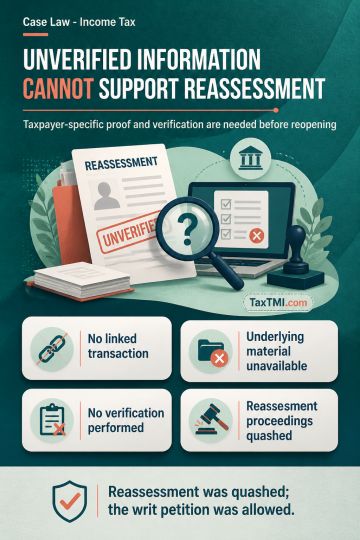
Unverified Insight Portal Information Cannot Justify Reassessment Without a Verified Taxpayer-Specific Income-Escape Nexus or Demonstrated Application...
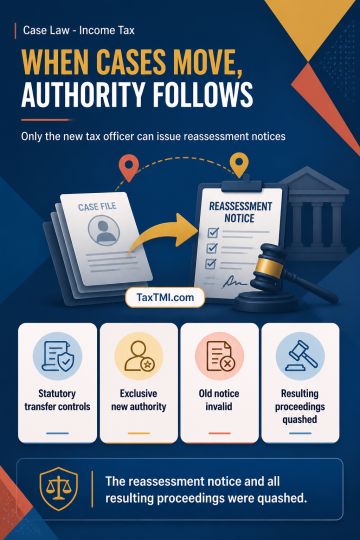
Assessing Officer jurisdiction after statutory transfer invalidates reassessment notices issued by transferor officers and nullifies resulting proceed...
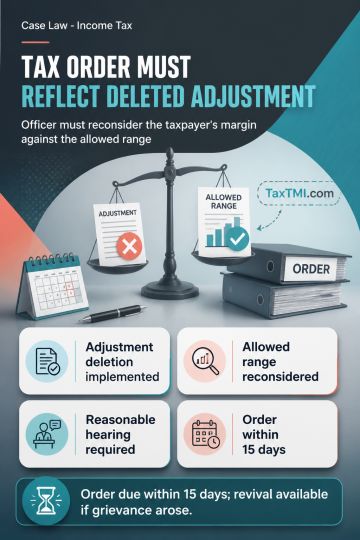
Consequential appeal-effect orders must implement rectification deleting working-capital adjustments and reconsider the resulting arm's-length range c...
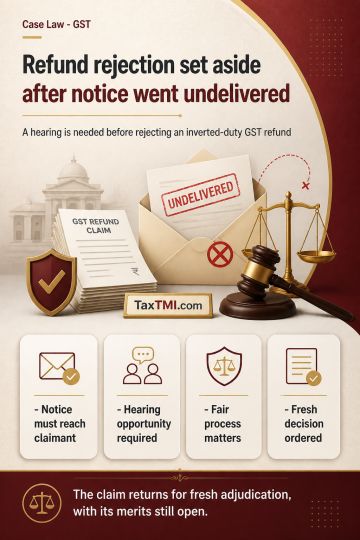
The HC held that under Rule 90(3) of the CGST Rules, deficiency communication via Form GST RFD-03 is mandatory, and the period of deficiency communication is excluded from the two-year limitation under Section 54(1). In the case at hand, the Department claimed issuance of an SCN and rejection without reply, but the petitioner contended non-receipt or non-uploading of the SCN and rejection order, resulting in denial of the right to be heard. Since the final rejection order dated 2019 was only disclosed to the petitioner in 2025, the court allowed the petitioner to file an appeal before the Appellate Authority under Section 107. The Department's inability to produce the deficiency memo (Form GST RFD-03) undermined its justification to withhold the refund. The petition was accordingly disposed of, preserving the petitioner's right to challenge the refund rejection.
The HC held that under Rule 90(3) of the CGST Rules, deficiency communication via Form GST RFD-03 is mandatory, and the period of deficiency communication is excluded from the two-year limitation under Section 54(1). In the case at hand, the Department claimed issuance of an SCN and rejection without reply, but the petitioner contended non-receipt or non-uploading of the SCN and rejection order, resulting in denial of the right to be heard. Since the final rejection order dated 2019 was only disclosed to the petitioner in 2025, the court allowed the petitioner to file an appeal before the Appellate Authority under Section 107. The Department's inability to produce the deficiency memo (Form GST RFD-03) undermined its justification to withhold the refund. The petition was accordingly disposed of, preserving the petitioner's right to challenge the refund rejection.
Note: It is a system-generated summary and is for quick reference only.
 TaxTMI
  TaxTMI
 of 4894