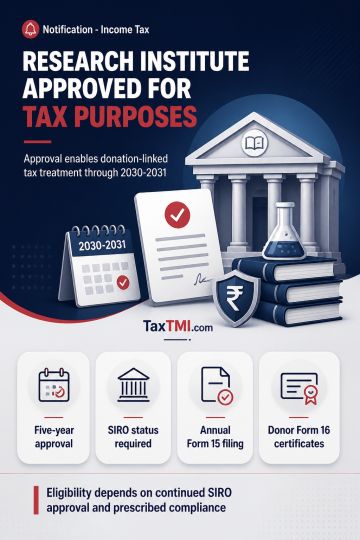
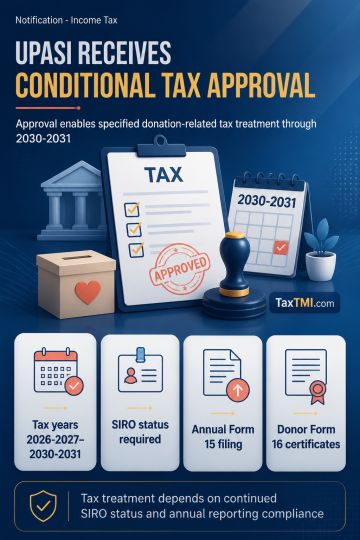
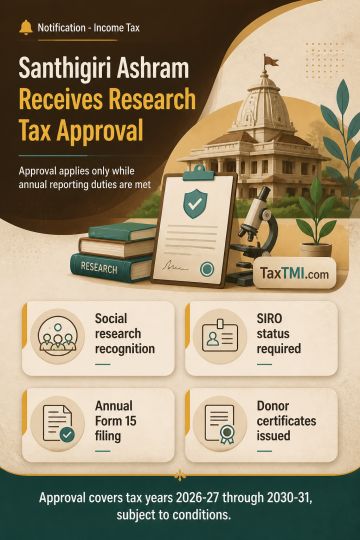
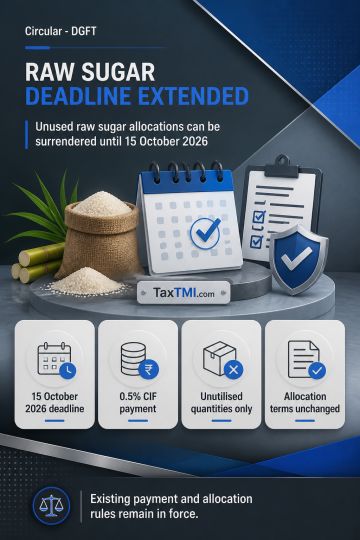
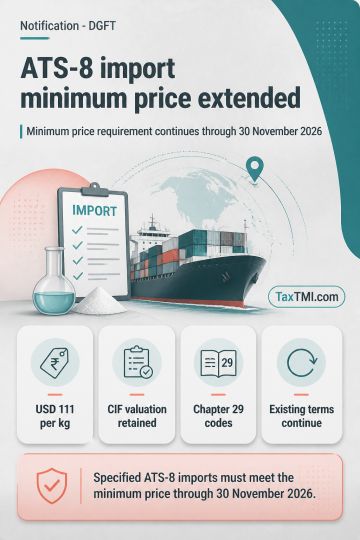
Customs-controlled cargo movement now includes GDL, subject to EXIM prioritisation, segregation, verification, reconciliation and enforcement safeguar...
The HC held that notifications issued under Section 168A CGST Act, purportedly extending limitation periods, must be strictly construed as exceptions to Section 73. The impugned notifications lacked a valid recommendation from the GST Council based on relevant material, rendering them unsustainable. While the GST Council's recommendation is mandatory, it is not binding on the government; however, post-issuance ratification by the Council does not cure the defect of absence of prior recommendation. The Court distinguished between extension of limitation (Section 168A) and computation of limitation (Supreme Court's orders under Article 142), holding that the notifications erroneously diminished limitation periods contrary to the Supreme Court's orders, thus violating legislative intent. Consequently, the notifications were quashed, and all matters were remanded to assessing authorities for fresh adjudication consistent with these findings.
The HC held that notifications issued under Section 168A CGST Act, purportedly extending limitation periods, must be strictly construed as exceptions to Section 73. The impugned notifications lacked a valid recommendation from the GST Council based on relevant material, rendering them unsustainable. While the GST Council's recommendation is mandatory, it is not binding on the government; however, post-issuance ratification by the Council does not cure the defect of absence of prior recommendation. The Court distinguished between extension of limitation (Section 168A) and computation of limitation (Supreme Court's orders under Article 142), holding that the notifications erroneously diminished limitation periods contrary to the Supreme Court's orders, thus violating legislative intent. Consequently, the notifications were quashed, and all matters were remanded to assessing authorities for fresh adjudication consistent with these findings.
Note: It is a system-generated summary and is for quick reference only.
 TaxTMI
  TaxTMI
 of 4881