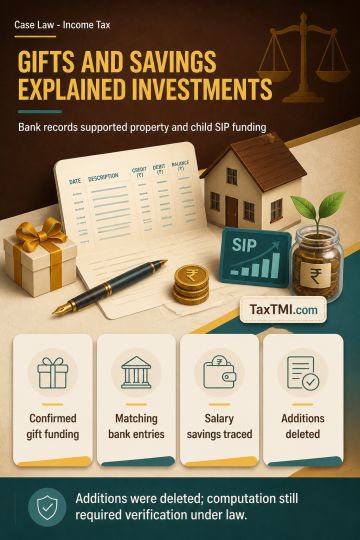
Explained Investment Sources: documented gifts and traceable salary savings supported deletion of additions for property and mutual-fund SIP investmen...
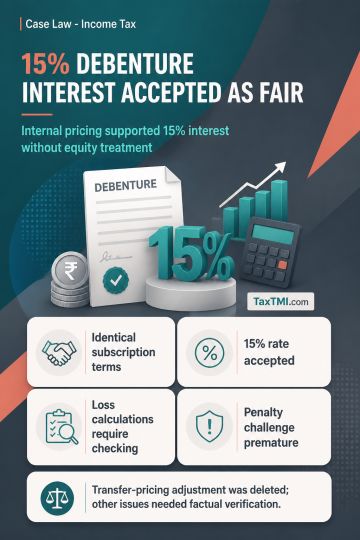
Internal comparable pricing supports arm's-length interest on compulsorily convertible debentures, preventing their recharacterisation as equity for t...
Nominee director protection shields independent financial-institution appointees from criminal liability where they lack involvement in deposit defaul...
The HC dismissed the writ petition challenging the imposition of penalty under Section 122(1A) of the CGST Act for fraudulent availment of ITC through fake firms. The court found that the petitioner, a GST consultant and former GST Department employee, was complicit in creating fictitious entities and aware of the ongoing fraudulent transactions. The petitioner failed to rebut the allegations of benefiting from the fraud, and the continuous nature of the offense satisfied the conditions for penalty under Section 122(1A). Although the limitation period for challenging the order had expired, the HC allowed the petitioner an opportunity to pursue appellate remedies under Section 107 of the CGST Act. The petition was accordingly disposed of.
The HC dismissed the writ petition challenging the imposition of penalty under Section 122(1A) of the CGST Act for fraudulent availment of ITC through fake firms. The court found that the petitioner, a GST consultant and former GST Department employee, was complicit in creating fictitious entities and aware of the ongoing fraudulent transactions. The petitioner failed to rebut the allegations of benefiting from the fraud, and the continuous nature of the offense satisfied the conditions for penalty under Section 122(1A). Although the limitation period for challenging the order had expired, the HC allowed the petitioner an opportunity to pursue appellate remedies under Section 107 of the CGST Act. The petition was accordingly disposed of.
Note: It is a system-generated summary and is for quick reference only.
 TaxTMI
  TaxTMI
 of 4886