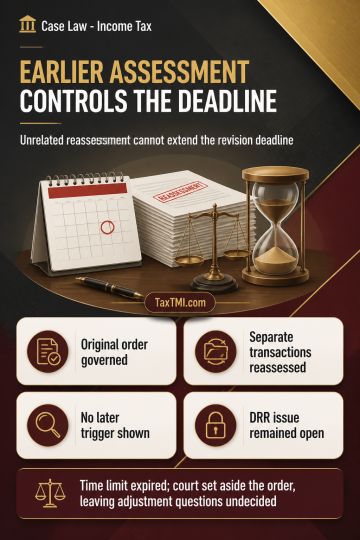
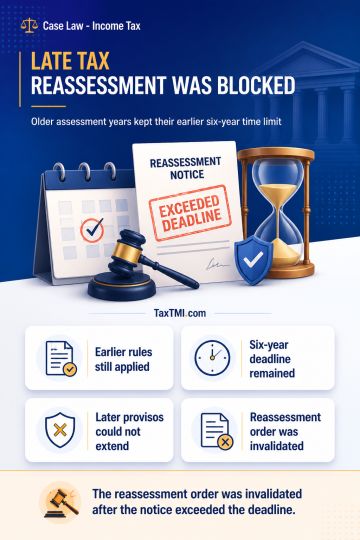
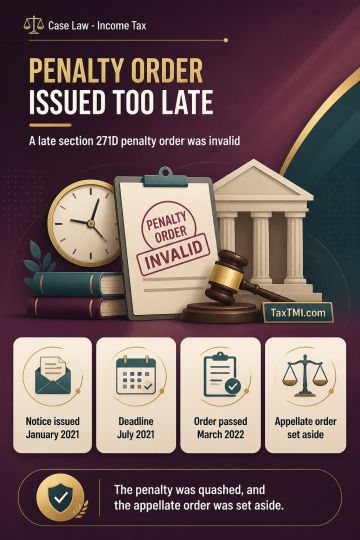
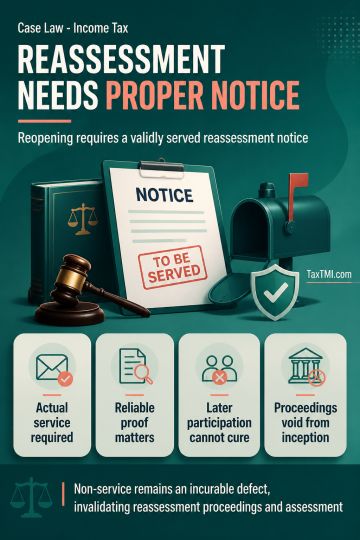
Pre-amendment reassessment limitation bars late notices under the preserved regime, invalidating consequential reassessment for affected earlier asses...
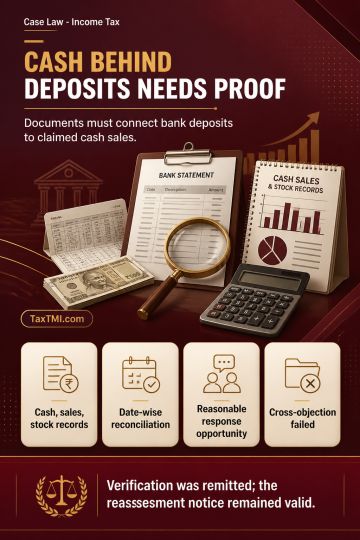
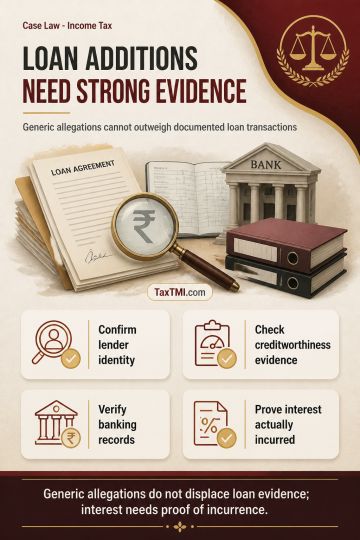
Cash-sales explanations for bank deposits require documentary reconciliation; reassessment notice survived where effective response time was available...
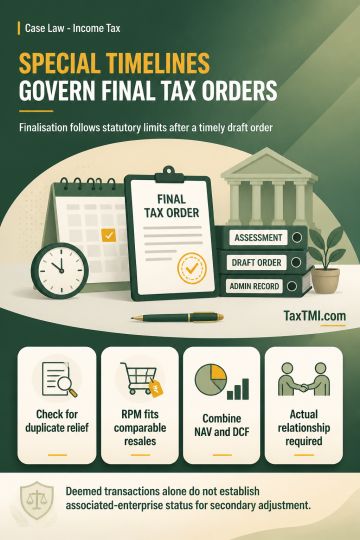
Functional comparability in transfer pricing prevents ad hoc arm's length adjustments where functions, assets, risks and reliable comparables are unes...
The HC set aside the trial court's acquittal of the accused in a Section 138 N.I. Act cheque dishonour case. The court held that the accused's signature on the cheque was admitted, establishing execution and issuance. The trial court's requirement for evidence of prior demand or meeting between parties was deemed unnecessary and unreasonable. The prosecution sufficiently proved the transaction and cheque execution, invoking the statutory presumption under Section 139 of the N.I. Act in favor of the complainant. The accused failed to rebut this presumption. Consequently, the accused was found guilty of the offence under Section 138 of the N.I. Act. The appeal was allowed, and the acquittal was set aside.
The HC set aside the trial court's acquittal of the accused in a Section 138 N.I. Act cheque dishonour case. The court held that the accused's signature on the cheque was admitted, establishing execution and issuance. The trial court's requirement for evidence of prior demand or meeting between parties was deemed unnecessary and unreasonable. The prosecution sufficiently proved the transaction and cheque execution, invoking the statutory presumption under Section 139 of the N.I. Act in favor of the complainant. The accused failed to rebut this presumption. Consequently, the accused was found guilty of the offence under Section 138 of the N.I. Act. The appeal was allowed, and the acquittal was set aside.
Note: It is a system-generated summary and is for quick reference only.
 TaxTMI
 TaxTMI

 of 4918