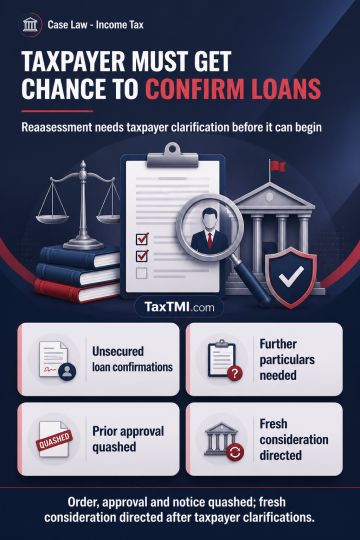
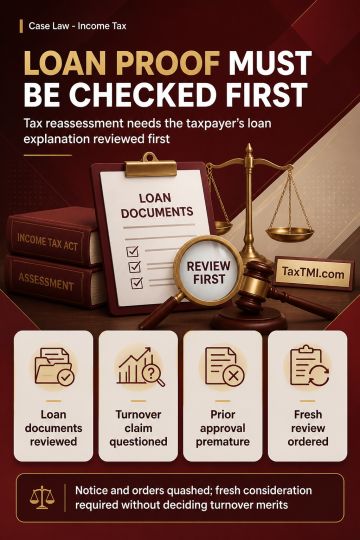
Opportunity to furnish unsecured-loan confirmations is required before reassessment initiation; proceedings require fresh consideration after taxpayer...
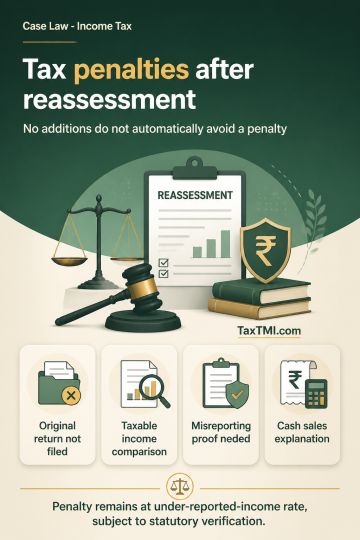
Under-reporting on a first reassessment return attracts penalty, while enhanced misreporting penalty requires proof of a statutory misreporting catego...
The ITAT upheld the assessee's method of revenue recognition under AS-9, wherein income is recognized upon execution of sale deeds and possession transfer, rejecting the AO's application of PCM under AS-7 and Section 43CB. The tribunal found the assessee consistently capitalized costs as work-in-progress and credited advances as liabilities rather than revenue, reflecting proper accounting treatment. The AO's adverse inference applying PCM was deemed erroneous as the assessee was a developer, not a contractor. Following precedents, the ITAT deleted the additions made by the lower authorities, allowing the assessee's grounds and confirming the acceptance of the revenue recognition method for the assessment year in question.
The ITAT upheld the assessee's method of revenue recognition under AS-9, wherein income is recognized upon execution of sale deeds and possession transfer, rejecting the AO's application of PCM under AS-7 and Section 43CB. The tribunal found the assessee consistently capitalized costs as work-in-progress and credited advances as liabilities rather than revenue, reflecting proper accounting treatment. The AO's adverse inference applying PCM was deemed erroneous as the assessee was a developer, not a contractor. Following precedents, the ITAT deleted the additions made by the lower authorities, allowing the assessee's grounds and confirming the acceptance of the revenue recognition method for the assessment year in question.
Note: It is a system-generated summary and is for quick reference only.
 TaxTMI
  TaxTMI
 of 4915