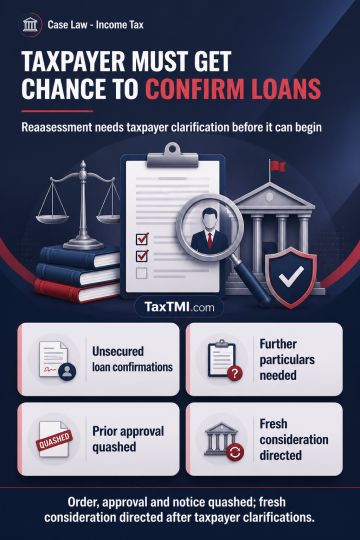
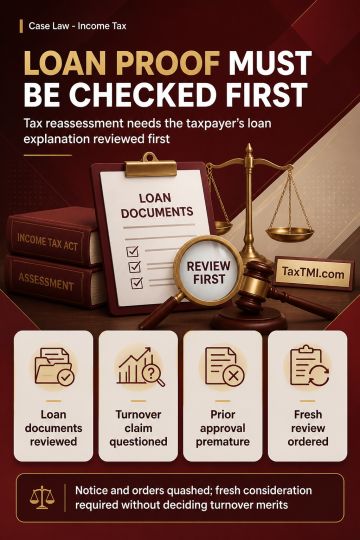
Opportunity to furnish unsecured-loan confirmations is required before reassessment initiation; proceedings require fresh consideration after taxpayer...
The NCLAT allowed the appeal and set aside the NCLT's dismissal of a Section 7 petition under the Insolvency and Bankruptcy Code, 2016. The NCLT had rejected the petition claiming it was aimed at recovery rather than resolution, constituting misuse of IBC provisions. The NCLAT held that once debt and default are established, the NCLT has no discretion to refuse admission under Section 7, citing Supreme Court precedents in M Suresh Kumar Reddy and Innoventive Industries. The corporate debtor had acknowledged both debt and default, which was recorded in the impugned order. The NCLAT rejected intervention by an unrelated third party lacking locus standi and dismissed arguments regarding prejudice to homebuyers, emphasizing that CIRP initiation cannot be rejected when debt and default are clearly established.
The NCLAT allowed the appeal and set aside the NCLT's dismissal of a Section 7 petition under the Insolvency and Bankruptcy Code, 2016. The NCLT had rejected the petition claiming it was aimed at recovery rather than resolution, constituting misuse of IBC provisions. The NCLAT held that once debt and default are established, the NCLT has no discretion to refuse admission under Section 7, citing Supreme Court precedents in M Suresh Kumar Reddy and Innoventive Industries. The corporate debtor had acknowledged both debt and default, which was recorded in the impugned order. The NCLAT rejected intervention by an unrelated third party lacking locus standi and dismissed arguments regarding prejudice to homebuyers, emphasizing that CIRP initiation cannot be rejected when debt and default are clearly established.
Note: It is a system-generated summary and is for quick reference only.
 TaxTMI
  TaxTMI
 of 4921