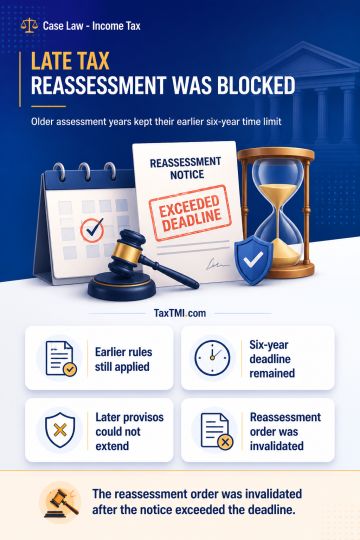
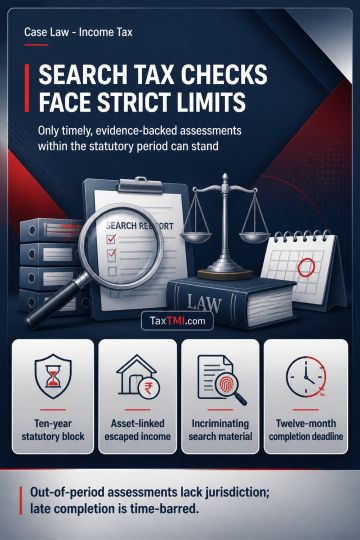
Pre-amendment reassessment limitation bars late notices under the preserved regime, invalidating consequential reassessment for affected earlier asses...
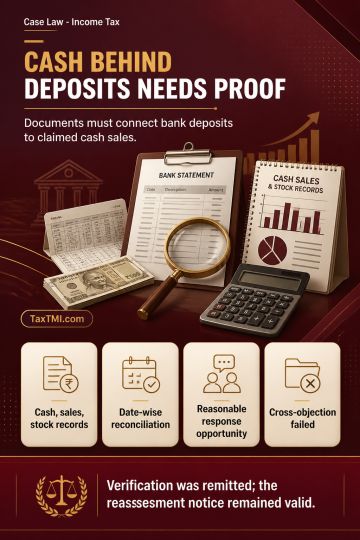
Cash-sales explanations for bank deposits require documentary reconciliation; reassessment notice survived where effective response time was available...
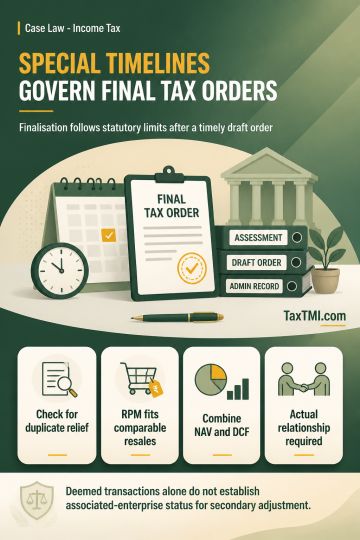
Functional comparability in transfer pricing prevents ad hoc arm's length adjustments where functions, assets, risks and reliable comparables are unes...
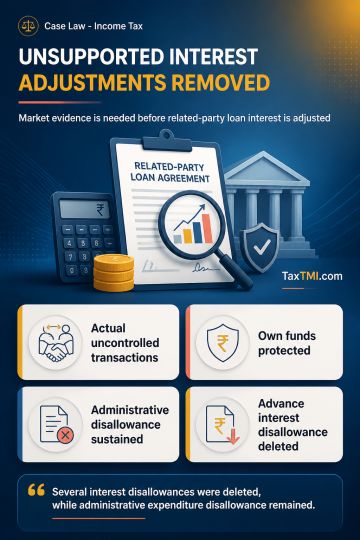
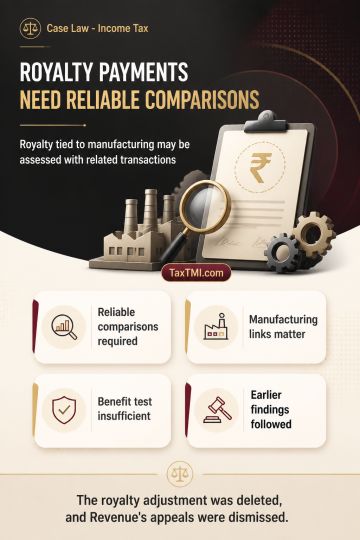
Contingency expenses, exempt-income disallowance, and royalty benchmarking: unsupported adjustments were deleted under consistent accounting and trans...
Page of 4921
Press 'Enter' after typing page number.
81 to 100 of 98414 Results
❮
❯
❯❯
0 / 200
Expand Note
Add to Folder
No Folders have been created
+
Are you sure you want to delete "My most important" ?
The HC dismissed a writ petition challenging GST assessment orders under Section 73(9) CGST/BGST Act, 2017. The petitioner claimed clerical errors caused turnover suppression totaling Rs.4,41,27,934.50 across December 2018 and January 2019 returns, with mismatches between GSTR-3B and GSTR-1 filings. The assessing authority quantified liability for suppressed turnover, wrongful input tax credit utilization, and delayed tax payment. The appellate authority found insufficient evidence per clarificatory circular dated 27.02.2022 and Section 16(2). The HC held the assessment orders contained no natural justice violations or jurisdictional errors, noting available statutory remedy before the Tribunal. The Court declined to exercise extraordinary writ jurisdiction where adequate alternative remedies existed.
The HC dismissed a writ petition challenging GST assessment orders under Section 73(9) CGST/BGST Act, 2017. The petitioner claimed clerical errors caused turnover suppression totaling Rs.4,41,27,934.50 across December 2018 and January 2019 returns, with mismatches between GSTR-3B and GSTR-1 filings. The assessing authority quantified liability for suppressed turnover, wrongful input tax credit utilization, and delayed tax payment. The appellate authority found insufficient evidence per clarificatory circular dated 27.02.2022 and Section 16(2). The HC held the assessment orders contained no natural justice violations or jurisdictional errors, noting available statutory remedy before the Tribunal. The Court declined to exercise extraordinary writ jurisdiction where adequate alternative remedies existed.
Note: It is a system-generated summary and is for quick reference only.
 TaxTMI
  TaxTMI
 of 4921